Where the magic happens

The key to getting things done is doing them on your own terms.

This is a motto of mine; words I live by. A commute can be a pain, but what if I left a little earlier, took the scenic route, drank some good coffee and listened to a good book on the way? Dishes can be a pia, but with music? What if I focus on the bubbles?

As a researcher, I am often motivated by the power of noticing. As a moderator, this means providing space for the quietest voices to blossom. As an analyst, this means taking the time and care to represent all of the voices, not just the loudest or most eloquent.

I’ve often taken pride in my invisibility as a facilitator. I feel like I’ve done my job when I’m barely noticed, but the tone is set, the participants are at ease and the conversation stays on track through the subtlest of prompts and cues.

Today I’m kayaking. I enjoy racing through the water, but when I stop, I see birds hidden in tall grass, fish jumping, and the almost magical pops of light reflecting on water and trees.

My community work has also followed this model; amplifying quiet voices, endorsing those who seem tentative but I know to be insightful. Noticing.

This is my way of working, living and interacting in the world, and this is what drives me to do the work I’m doing now.

I have a voice that I have never hesitated to use. But I’ve learned that the world comes alive around me when I choose to observe. I trust that the same voice I use to advocate for others is well practiced and fully available when I need it, and with that trust I can fade back.

I’m in a transformative moment. I’m deciding what I want to build and that requires repeatedly doubling back to my principles. What do I stand for? What do I provide as naturally as I breathe or paddle? Who am I without institutional backing, when I’m free to create?

There is a large exodus in my field; people who have lost jobs and are beginning consultancies. For some, the path may feel more clear than for others. How can we support each other better? Connect more? Collaborate more? Grow stronger together? Are we all adrift? Could we paddle together?

When I finished my paddle today, I pulled onto shore and a park employee greeted me. I saw poop on both sides of the kayak and tried to point it out to her. She didn’t see me or hear me. She appeared to have already decided my words didn’t merit her attention. ‘Watch where you step!” I shouted, after a few attempts, and then watched her croc’d foot come down in a large pile of poop. In this world of paddlers, where we all sit under the same blanket of sky and listen to the sounds of birds that live freely amongst and between us, I choose to listen, to observe, to hear, to find pockets of magic and to step in poop as little as possible.

Let’s be real for a moment.

Let me be really honest with you.

This community conversation effort is one of the most fulfilling projects I’ve ever been involved with. I believe in the groups and find them cathartic. The support I’ve received and enthusiasm for the effort blows me away, and I’ve had amazing conversations with people in my network about how to build them. I’m excited about the possibility of adding additional activities and opportunities to connect with art and nature and even do retreats!

But I have one big, perpetual challenge in bringing them to fruition.

For whatever reason, people heartily cheer from the sidelines and then don’t register for the events. People don’t seem to believe that these sessions are for them.

Some people are intimidated by the weight of the subject. But they haven’t seen the lightness that people walk out of these rooms with. Ultimately, the events feel like a wellness activity that leaves people smiling, laughing, relaxed, connected and inspired. We’re countering the weight, not basking in it.

Some people don’t want to talk about what they’ve been through. I get that. But it’s not school. You’re welcome to come and listen!

Some people care a lot, but aren’t directly affected. To these people I say we still need problem solvers, workers, concern and support.

And what is there to gain from all of this?


1) First, wellness. Skill-building. As a caregiver, I work regularly with anxiety and grounding techniques that have been transformative. I want to share what I’ve learned, because we are continually dealt blows. I want us to be ready for them as they come.


2) Connection to community. Community is bigger than us. It spreads the load on our shoulders across multiple backs. It allows us to care and be cared for.


3) A sense of where we are and how we can survive and even thrive in this fast-changing environment. The occupational and political landscape today is unique, and we will need to find new ways to handle it. If we can dream it, we can build it!

I don’t know, ultimately, whether this idea will grow the way I dream. But I’d like to believe that we can build community networks to support each other, grow in innovative ways, stay ready, heal together, and be inspired together by our common passions for learning, for art, for a natural world that is bigger than us, and for a good common humanity that still exists beneath the surface of this plastic, unfeeling society.

I want to believe that we can build something beautiful together!

There are two upcoming events, one in-person and one online. We’re working on more, different types of events, focusing on individual topics, sharing about books, making art together, being in nature together and more.

In-person event:
Community Conversation: Finding our Footing in this Uncertain Time https://www.eventbrite.com/e/community-conversation-finding-our-footing-in-this-uncertain-time-tickets-1363624811519?utm-campaign=social&utm-content=attendeeshare&utm-medium=discovery&utm-term=listing&utm-source=wsa&aff=ebdsshwebmobile

Online event:

https://www.eventbrite.com/e/online-community-conversation-finding-our-footing-in-this-uncertain-time-tickets-1382445414449?aff=oddtdtcreator

Mailing list:
https://docs.google.com/forms/d/e/1FAIpQLSfrIlrlCJzm5E4ahoR_JOh6E-KaB1nbGyJ2SmdQqKL99JHrOQ/viewform?usp=header


Please, come join us. You’re welcome! Come as you are. Bring your baggage. Lighten your load. Find connection and inspiration. Believe in us.

Navigating Career Changes from the Inside Out

Years ago on this blog, I wrote about approaching career changes from the inside out. I had accomplished the biggest career change of my life that way, by following my passions with my books, talks and extra research sessions and then blogging about them here.

Last week at the annual AAPOR conference in St Louis, an attendee in a session about Navigating Career Change asked about feeling unsatisfied with their work. This is a common motivation for switching jobs, but I chimed in from the audience as a voice of caution.

“I think about it like an unscratched itch,” I advised. “Maybe there is some part of you that your work life isn’t satisfying. But this is a horrible time to switch jobs so I advise you instead to find other ways to scratch that itch. You may still decide you’re ready for a change, but if, for example, you decide that you really do need your job to offer more space for creativity, you now have recent experiences to speak to as examples of you pursuing your creative endeavors.”

We expect our jobs to be our calling, our everything. And we give them everything. But we are so many things, and we need to exist beyond our work.

I’m at another point of career change. After nearly 30 years of working in my career- with the longest break being 3 weeks of maternity leave, I’ve lost my job as a government contractor as part of the deep federal cuts. I could look directly for another position, but I want to take my time with it. We only live once, and I want to take inventory of all of my itches before deciding how to scratch.

I want to build out this Community Conversations initiative, but I want to be thoughtful about it. I’m not trying to recreate what others have done, so much as build something new that fits our current needs. This requires intuition, reflection, patience, resilience, and determination. It means that some days are among the most fulfilling of my life, hosting cathartic community sessions or having really inspiring conversations with friends and colleagues, and some days I wonder why I’m adrift instead of staying on the career path.

This initiative was founded from the inside out, reflecting 

  1. my facilitation skills that I’ve learned through years of moderating, facilitating and community work, 
  2. my passion for building mental health that was cultivated through voices like Iyanla Vanzant, Pema Chodron, Rachel Cargle and the Nap Ministry,
  3. my profound interest in community based participatory research and the principles that guide it, and
  4. my love of strategic conversations, brainstorming and forming new ways to approach problems.

Forming an initiative from the inside out means that guiding our next steps is a continual process of self reflection. This means that a day spent at one of my favorite art galleries, taking pictures that I may able to use for an exhibit of my own one day, getting lost in the woods on its campus and finding new ways to engage with my surroundings is just as important as a day spent documenting the plan for the initiative, including the financial and communication aspects.

I always imagined my life in chapters, with a later chapter as a more wholeheartedly creative era. And I love the creativity I’m feeling now! But a change so dramatic as this requires some careful stewardship and navigation.

I’m not really sure where any of this is headed, but I’m confident that just as when I recreated my life before, these steps will lead me in the right direction. Because I’m scratching my itches!

Have you navigated big changes like this? Do you have unscratched itches? Do you have any advice or resources to offer? Please comment! Let’s continue the conversation.

Picture taken by me, in the grounds of the Glenstone Museum in Potomac, MD 5/22/2025

Something to believe in

At the beginning of Life of Pi, the main character says he has a story to make you believe in God. Does he? I suppose that depends on your belief system, but the story made for a great book and a gorgeous movie.

I am not someone who believed that things happen for a reason. It might have been true, but the potential truth of it offered no comfort to me. But this year has shaken my doubt. Let me tell you my story.

You know me as a researcher, fundamentally and to my core. I’ve been working in research since 1996, and it has been an adventure, a challenge, and a great love. I’ve had the pleasure of working on fMRI research in its early days, working in Neuropsychology departments at fantastic hospitals, getting to know the nonprofit space, doing research on and in the global and academic Physics and Astronomy communities, doing Usability studies in people’s homes and using eye tracking tools, working across a number of languages on study recruitment materials, working in HIV prevention and treatment, evaluating health communications materials and working with communities to cocreate research studies that serve them.

Oh, the places research can take you! The interest work! The amazing people I’ve met along the way!

This year, things began to change pretty dramatically for the research community around me. We’ve been seeing respected professionals and institutional studies let go and dismissed on a massive scale.
We all want to help support each other and the field in some way, but we’re being stripped of our collective voice. I began to obsess over what I could uniquely offer to help. For a solid week, the topic was omnipresent for me. I thought immediately of the community conversations I’ve led occasionally with my church community. But what could these conversations look like? The answer came in flashes from every corner of my memory. Things strung together in a way I never could have imagined prior.
I’m hearing about the stress and distress we’re suffering through, and I thought of the grounding activities I’ve honed with someone very close to me who’s been battling severe anxiety and depression. I thought of the community gatherings that Iyanla Vanzant used to host on Saturday mornings and the grounding exercises she taught. I thought of my love of meditation and the methods that have been useful to me. I thought of the Nap Ministry and the idea of restoring people to their optimum humanity. I thought of Rachel Cargle and Adrienne Marie Brown and their teaching about the importance of imagination and play.

I wanted to use my qualitative research skills, experience with facilitation, and these principles to create something new, grounded in principles of Community Based Participatory Research.

The goal is to create a space for people to listen and be heard, to heal and to learn healing skills, to dream of a different future and to understand what the community needs and how the community can best support each other. The sessions can be singular for a group or they can become a community building and nurturing series for that group.

I began collecting resources and developed a resource sheet for participants, and I developed a discussion guide that asked few questions and allowed mostly for listening, discussion, and progressive relaxation. These resources are intended to be flexible enough to work with any group.

The next step was to find communities who were interested. To date, I have conducted groups with my church community and a local professional group. The groups blew my mind. People entered with strong emotions, listened and supported each other, relaxed to the point of smiling and laughing and spoke about supporting each other and building community. The groups were very different from each other, each becoming what it needed to be. One group opted to make this into a series, with a second session planned for later this month. The other left me with a full page of ideaa that our professional councils can bring to fruition.

As the communities around me are increasingly affected, I’ve wanted to focus on expanding- but it’s been difficult to balance with a full time, intense job. Well, dear readers, after seeing the last of my clients RIF’d last week I was laid off this week. For me, this was a gift, because this community conversation series is my passion and my purpose.

In the coming weeks, I’m going to focus on ways to find more groups to facilitate, online and in-person. I’m working on designs as well, to raise funds for the project in some kind of way.

How can you help? If you’re interested, you’re welcome. I need support in locating and planning groups, developing a funding strategy and a plan for the merch. Let’s work together to build community, restore peace and purpose, and support and listen to each other.

Thank you for listening ❤️

“All that you touch
You Change.

All that you Change
Changes you.

The only lasting truth
is Change.

God
is Change.”


Octavia E. Butler

The Role of Gratitude in Research

Research, as most things in life, is best approached with gratitude. In this post, I’ll share a bit about what I’m grateful for, an exercise in gratitude, and some food for thought about the role of gratitude in research.

First, here is a window into what I’m feeling grateful for.

Grateful for the challenge of research

Research can provide a challenging career. While it is possible to find positions in research that are more repetitive, most positions afford many opportunities for learning about new subject matter and new methods. Each new research question provides fresh challenges to implement. And with the body of literature and informal sources available, there is always the ability to read more deeply about the work that others have done. I am grateful for the perpetual learning experiences that research has brought.

Grateful for the versatility of research

One of my favorite aspects of a career in research is the versatility. I’ve been able to work in neuropsychology, physics education, sociolinguistics, social media research, media measurement and in public health using a great variety of research methods.

Grateful for my colleagues

Over the years I’ve had the pleasure of working with people that I respect, learn from and genuinely enjoy. I’m grateful for their help, their wisdom, their curiosity, their enthusiasm, their support, their friendship, and their comforting awkwardness.

Gratitude for the research opportunities

I am grateful for the opportunity to study people. I am grateful for the people who agree to participate in research and who honestly share what is in their hearts or on their minds. Some opinions and experiences are easier to share than others. I am grateful for all of it. The qualitative work that I am currently involved with is often built on individual and group interviews that can be a powerful experience for the participant and the interviewer, and I am so grateful to the participants and the process for bringing this to fruition.


Now, let’s take a minute to Go Beyond the Gush. It is easy to get swept up in the everyday grind of research, whether because the research approval process seems unnecessarily repetitive or cumbersome, or data needs more wrangling than predicted, or the meetings seem endless and the emails, texts and phone calls seem constant, or the people working on a project are particularly difficult to corral, or the behavior that you need to observe in your research is particularly difficult to isolate, or… We can all get caught in the slog of research. But gratitude can help.

Here is an exercise:

Let’s take a minute to get very basic with this. First, think of the reasons why you enjoy your work. Then let’s take it back even further.

  • Be grateful to have a topic to research or to have the ability to find one. Be grateful for the ability to be curious and to find unanswered questions.
  • Be grateful to have the support to pursue this topic as a professional or as a student. Research costs time, money and many other resources.
  • Be grateful to have the skills to approach the topic. Think of all of the training that provided these skills. Think of the resources that are available to you to help you learn what you need.
  • Be grateful for your strength. You have the ability to tackle what comes your way.
  • Be grateful for the people who must come together to make this work happen. Sometimes we get stuck thinking of one person’s habits or quirks or in finding fault with the people around us. Some groups are more cohesive than others, and each person brings a different set of skills. Take a step back from that. Let go of it for a minute and take a fresh look. First see yourself as someone with strengths and weaknesses. Then see your colleagues in this light as well. Allow yourself to forgive yourself and others.
  • Be grateful for the challenges your work brings. Sometimes it seems to bring too many challenges. But those challenges are keeping you sharp. And in some way, they will offer you the opportunity to learn and grow.
  • Be grateful for research participants. These are the people who make our work possible by letting us into their world in some way. That is a privilege.


What do exercises like this gain you? A few things, really. Peace of mind. A break from the stress and an opportunity to just feel grateful. Perspective. A chance to put challenges that seem constant or insurmountable into a smaller box. The opportunity to see the people around us from a fresh perspective and hear them more clearly. A better insulation against the instability that affects us all. And an opportunity to see our research in context and think more broadly about the affect it has. The work we do affects peoples’ lives, but these basic mechanisms can become lost to us when we lose perspective. With fresh perspective and gratitude, we can better see these mechanisms in action and produce work that better respects all involved. No research exists in a vacuum, and the better we can understand the role our research plays in a wider context the better stewards we can be over this tremendous privilege we’ve been granted.

Thanks for listening.

A Postcard from Japan

Hi all,

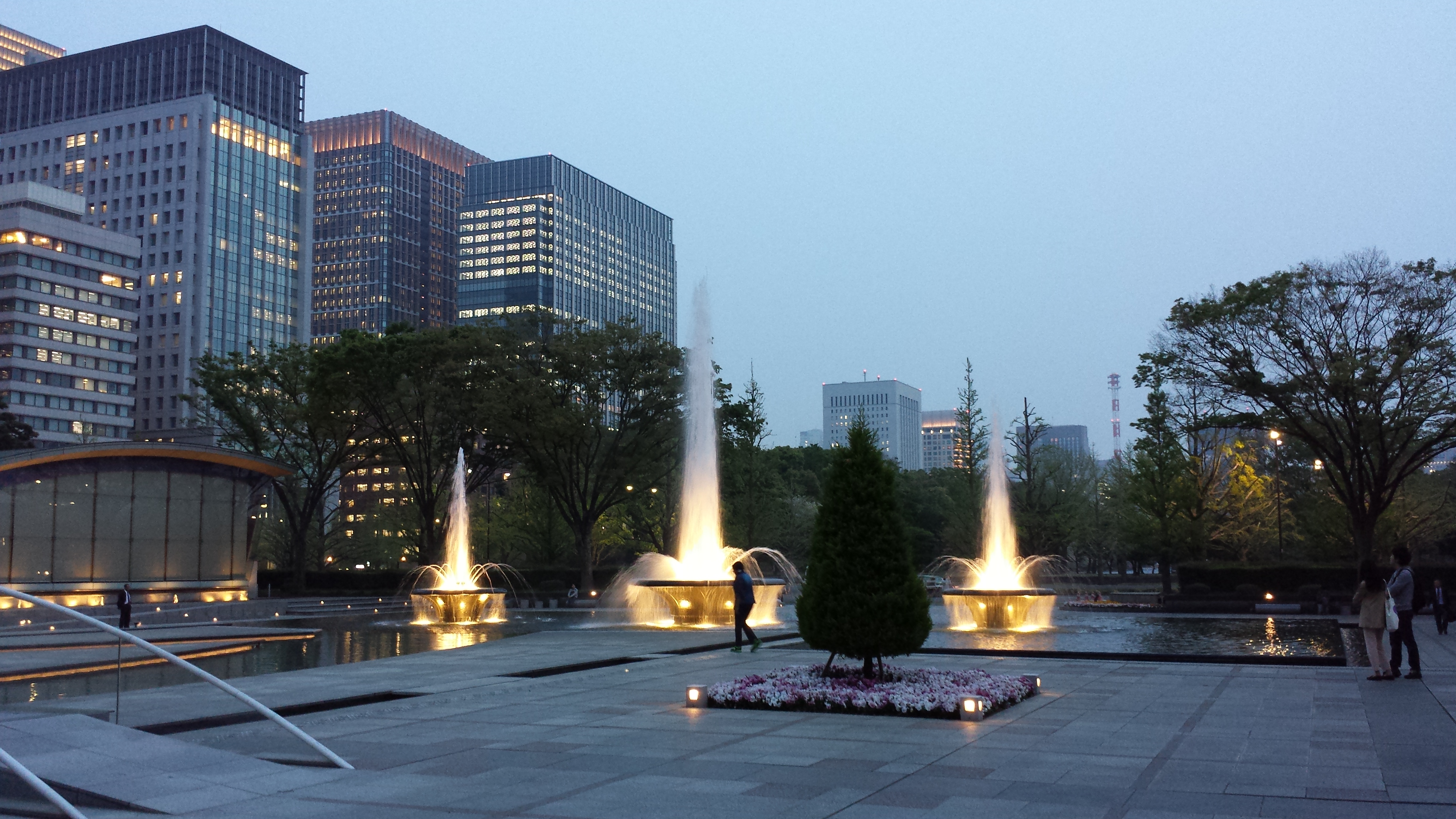
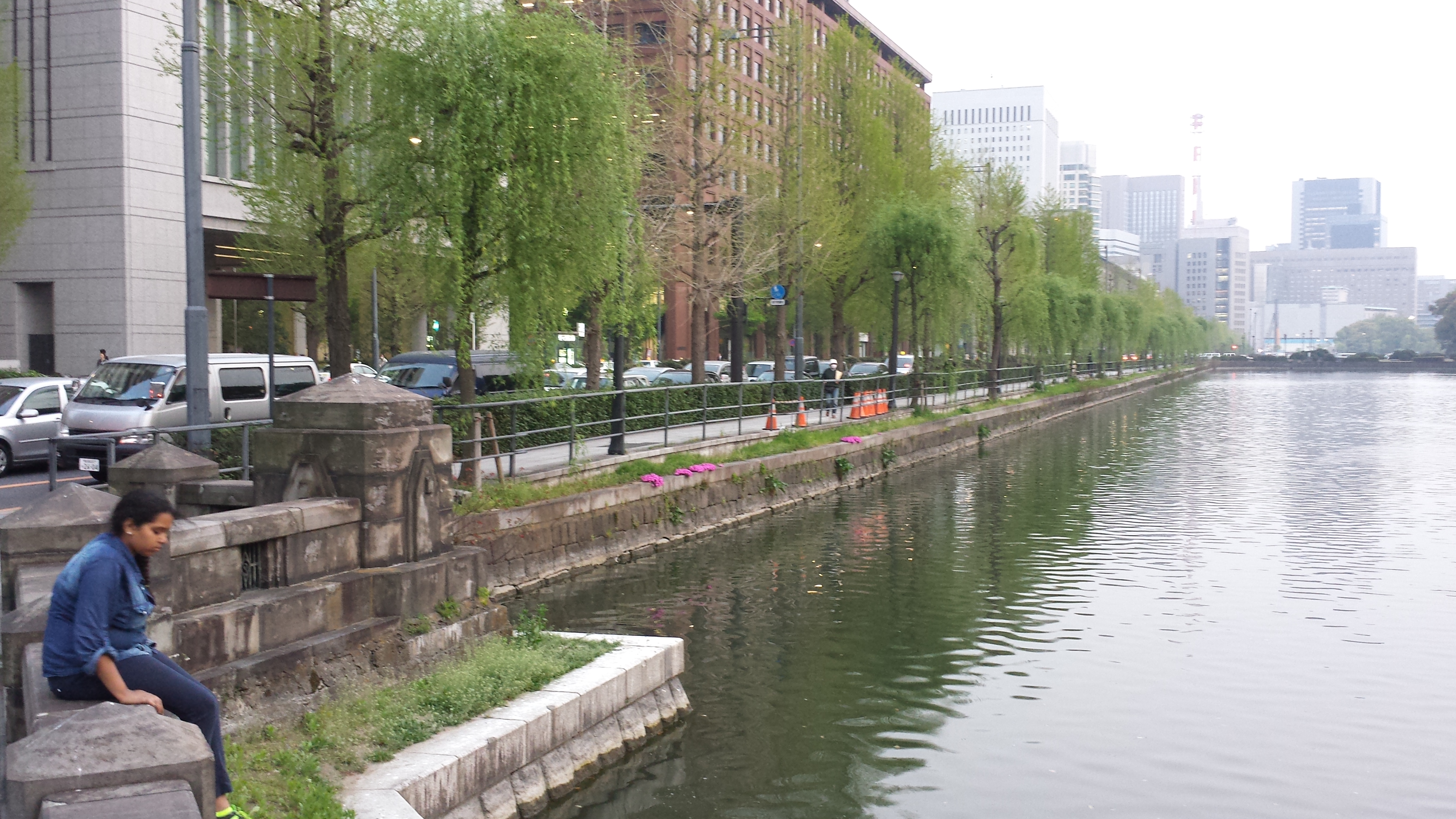
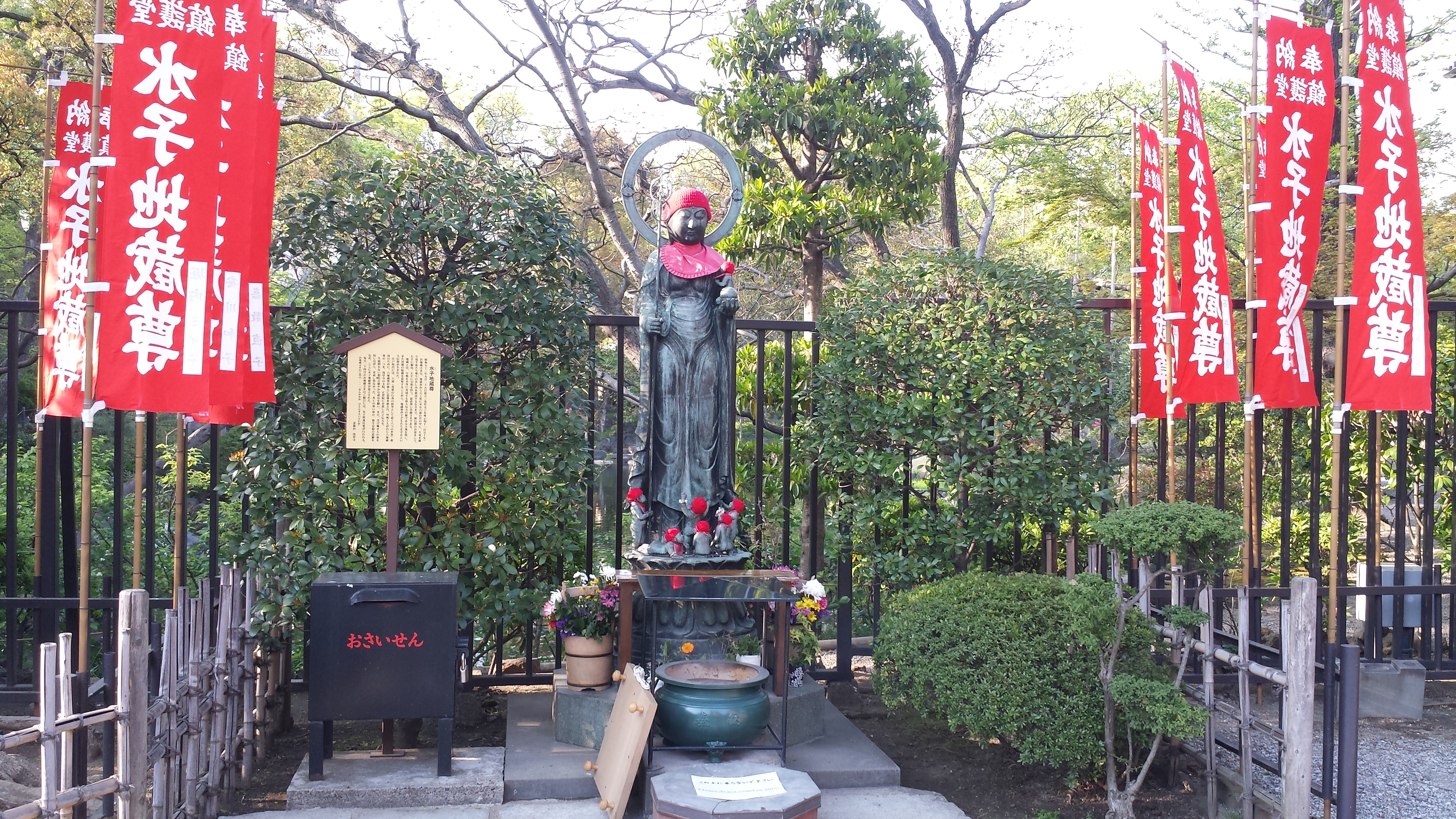
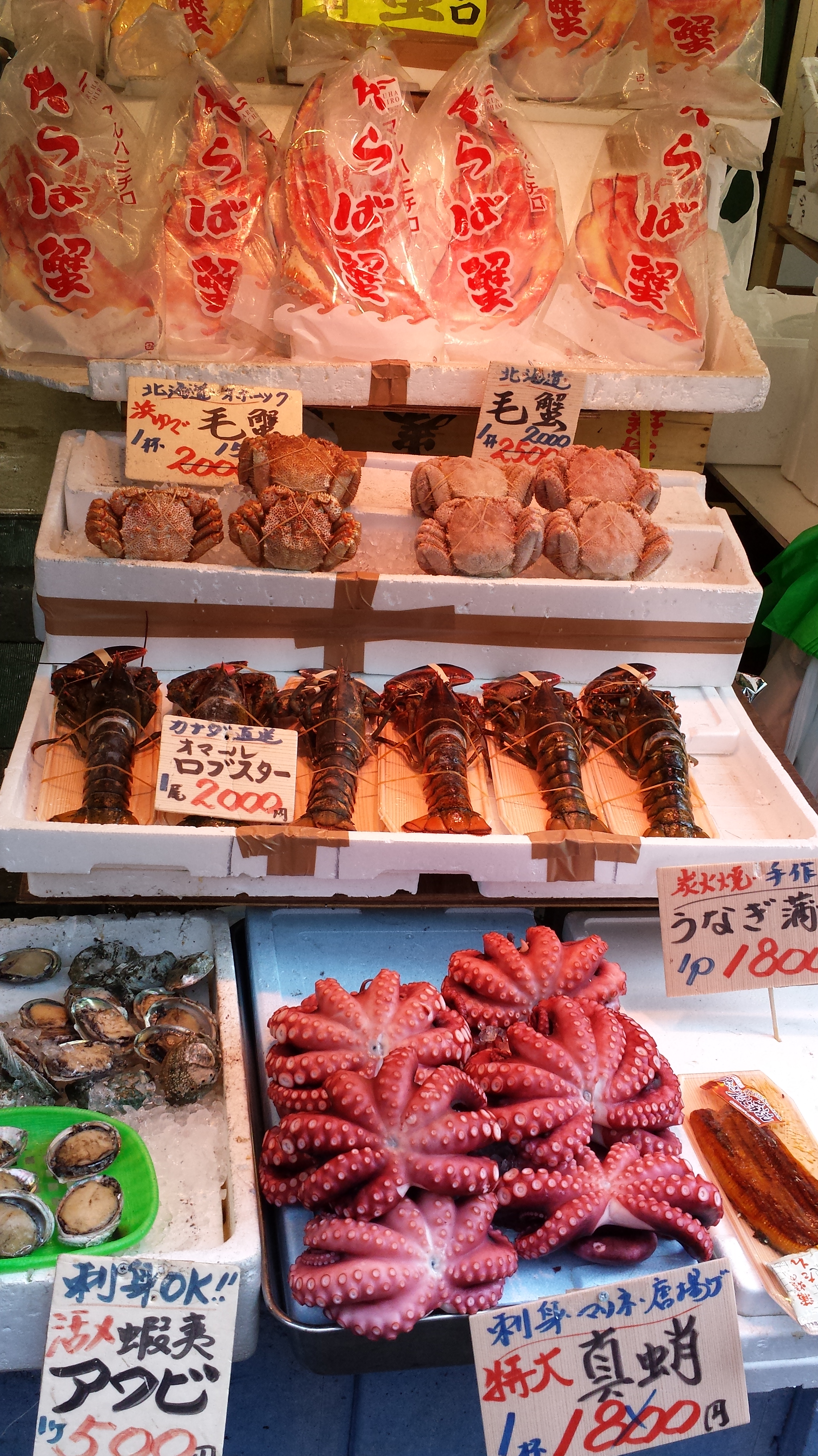
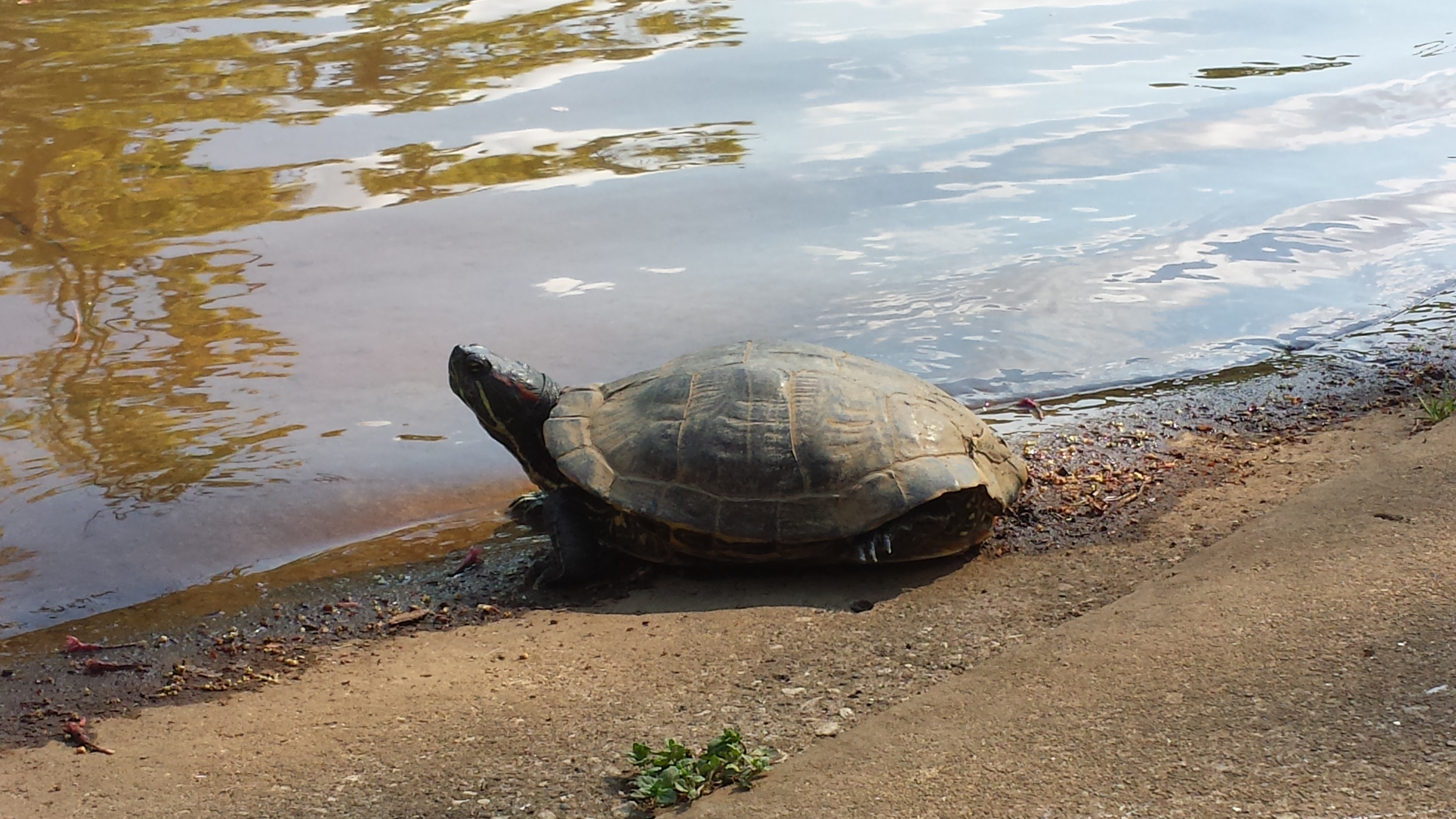
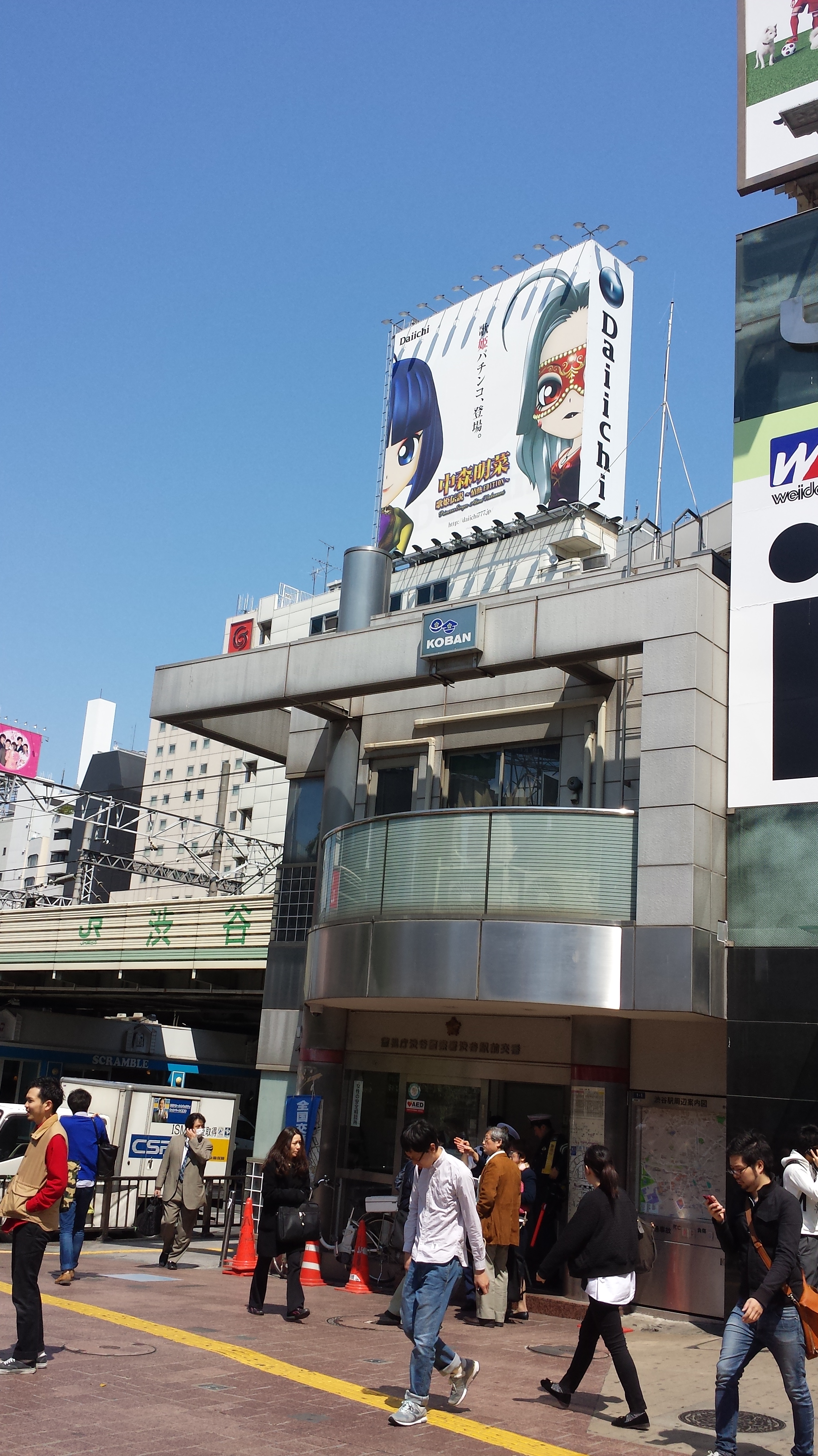
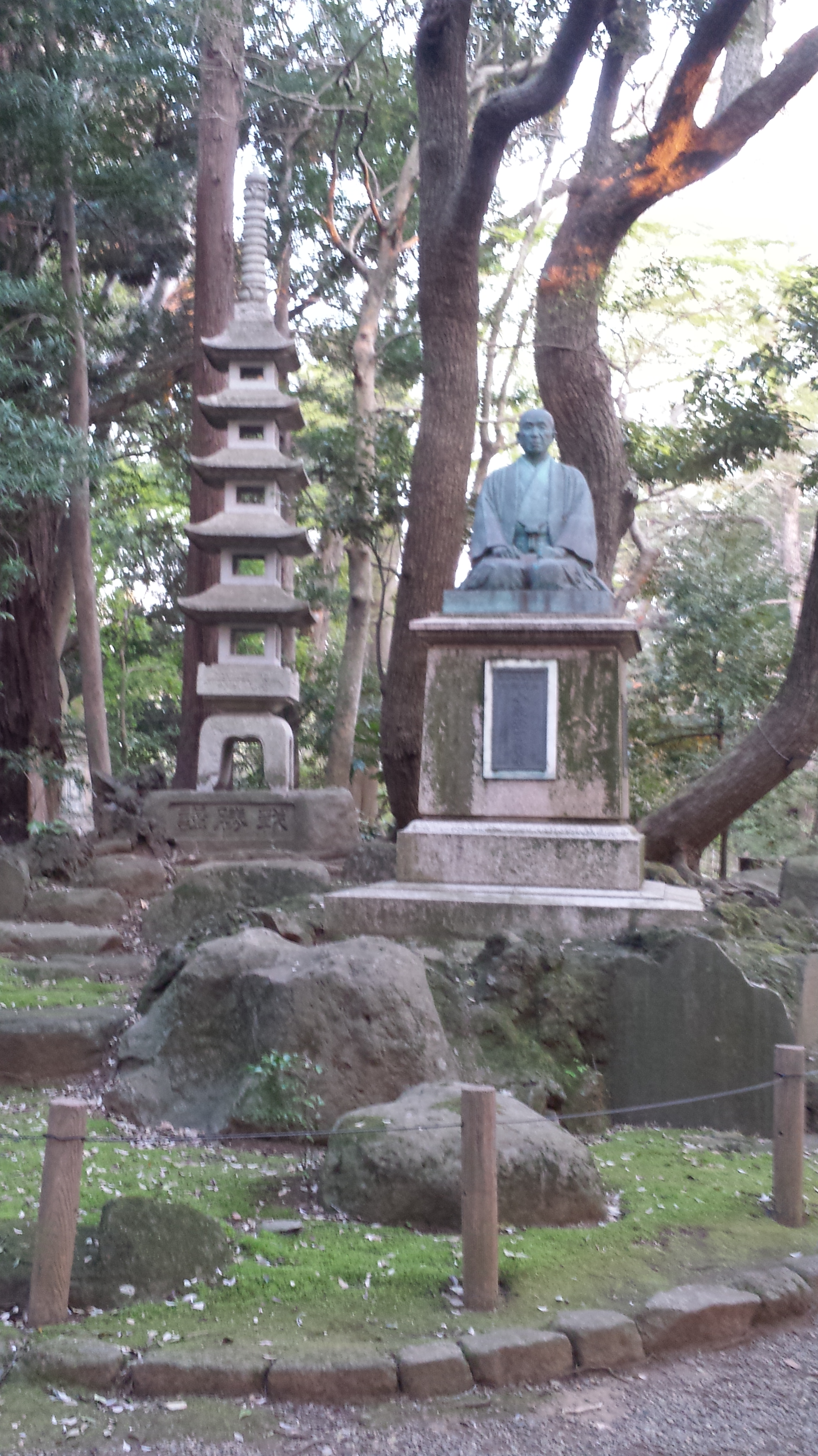
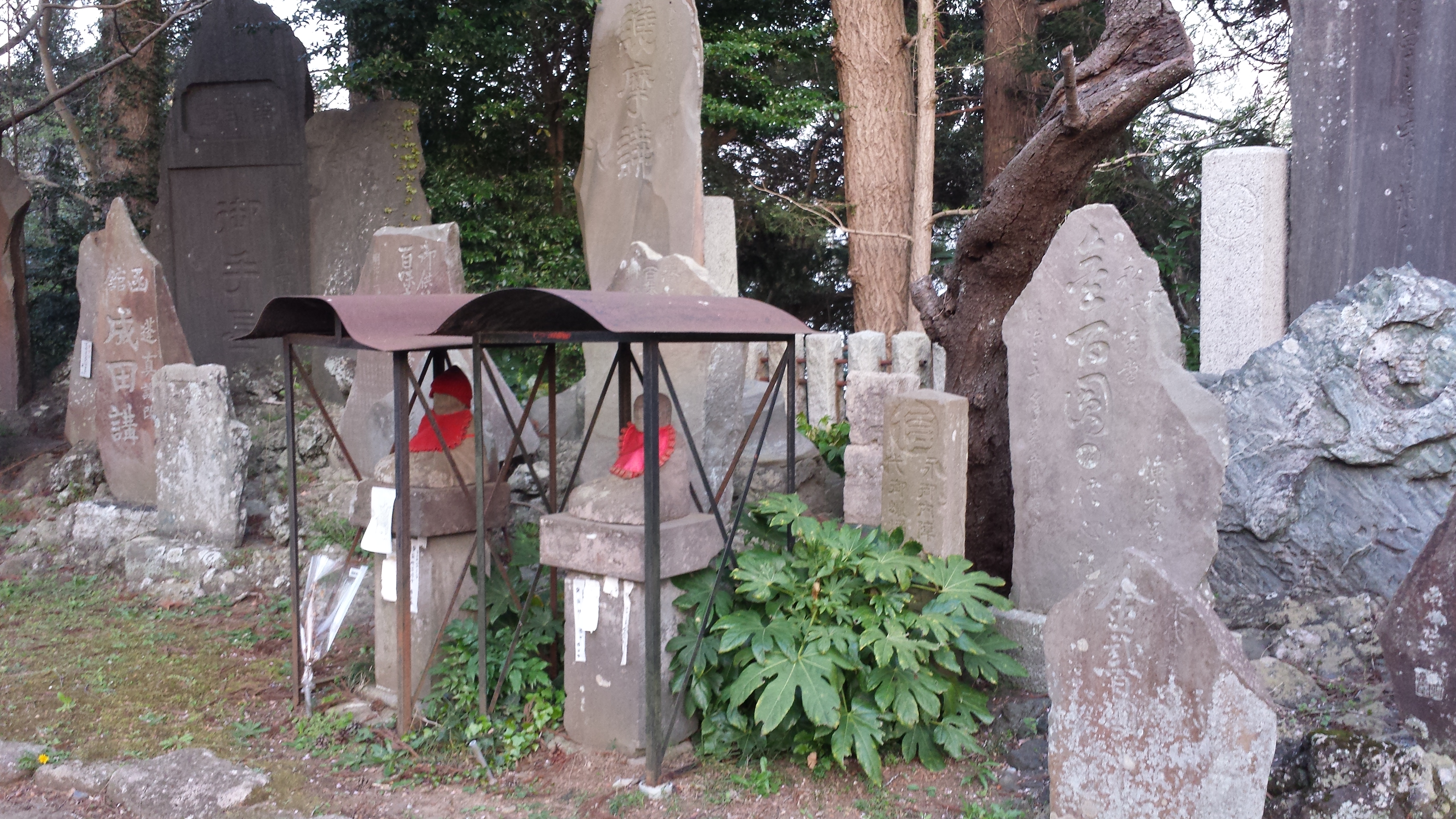
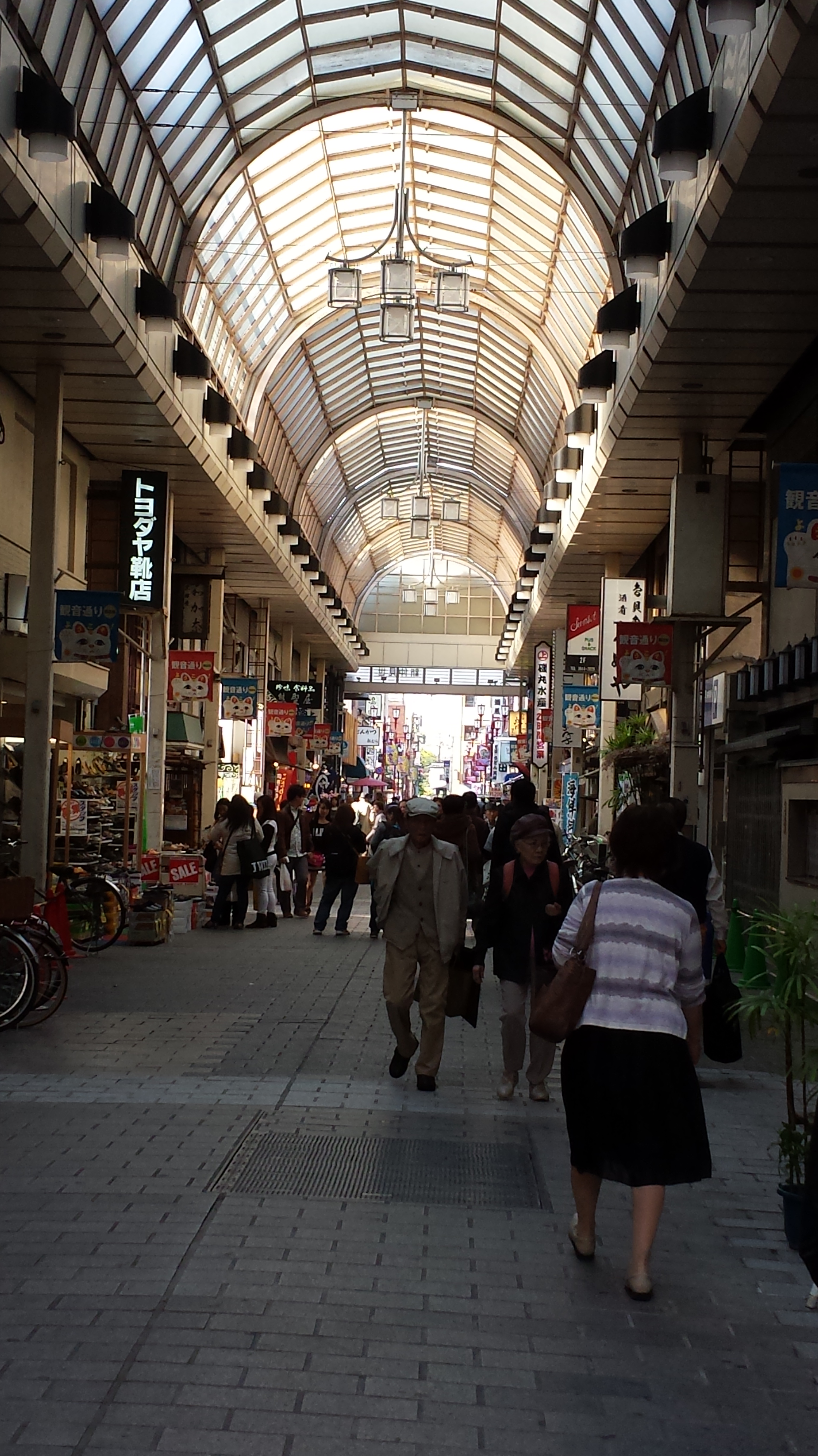
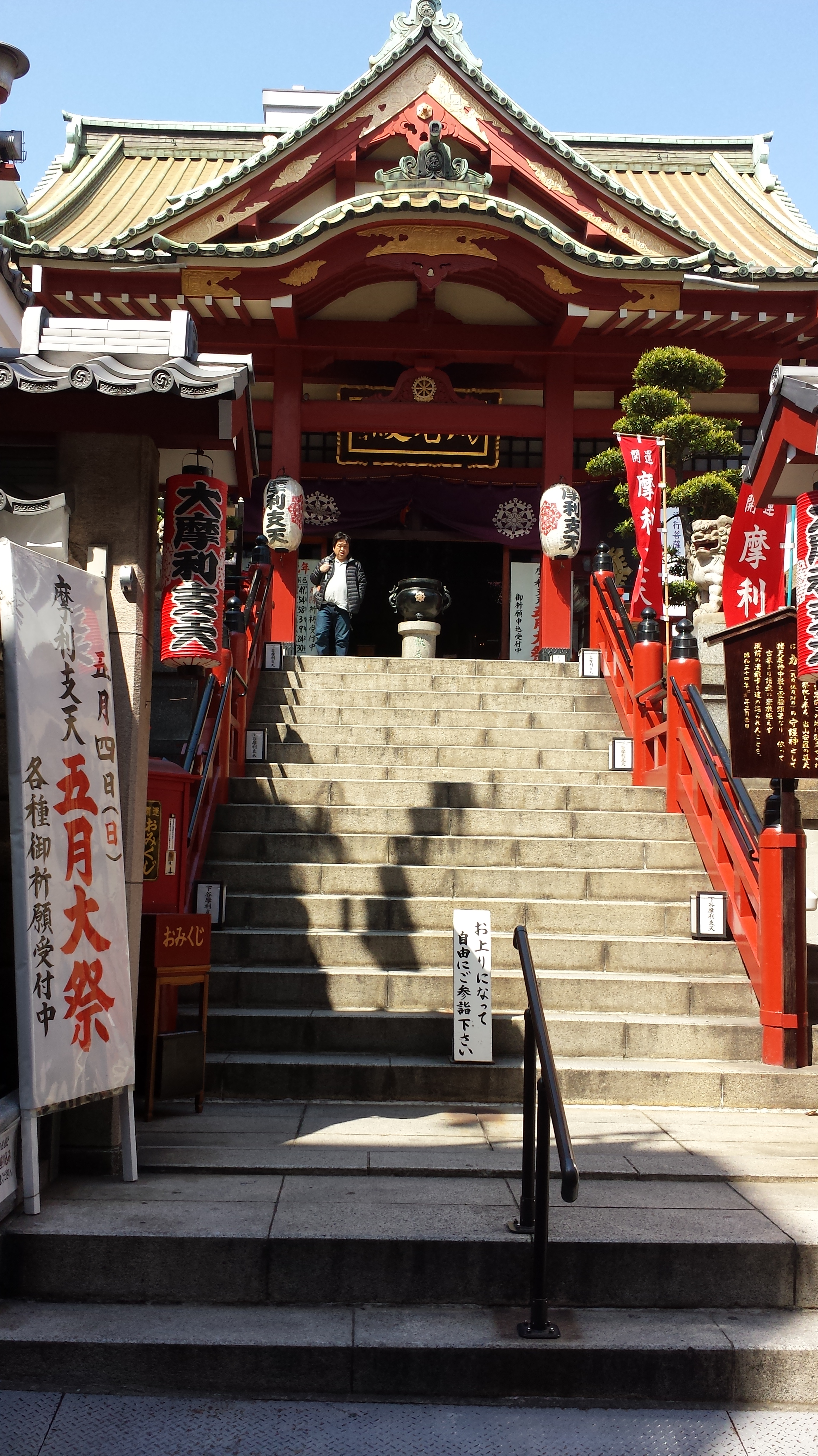
This week I returned from a 10 day trip to Japan, and I figured I would share some pictures with you.

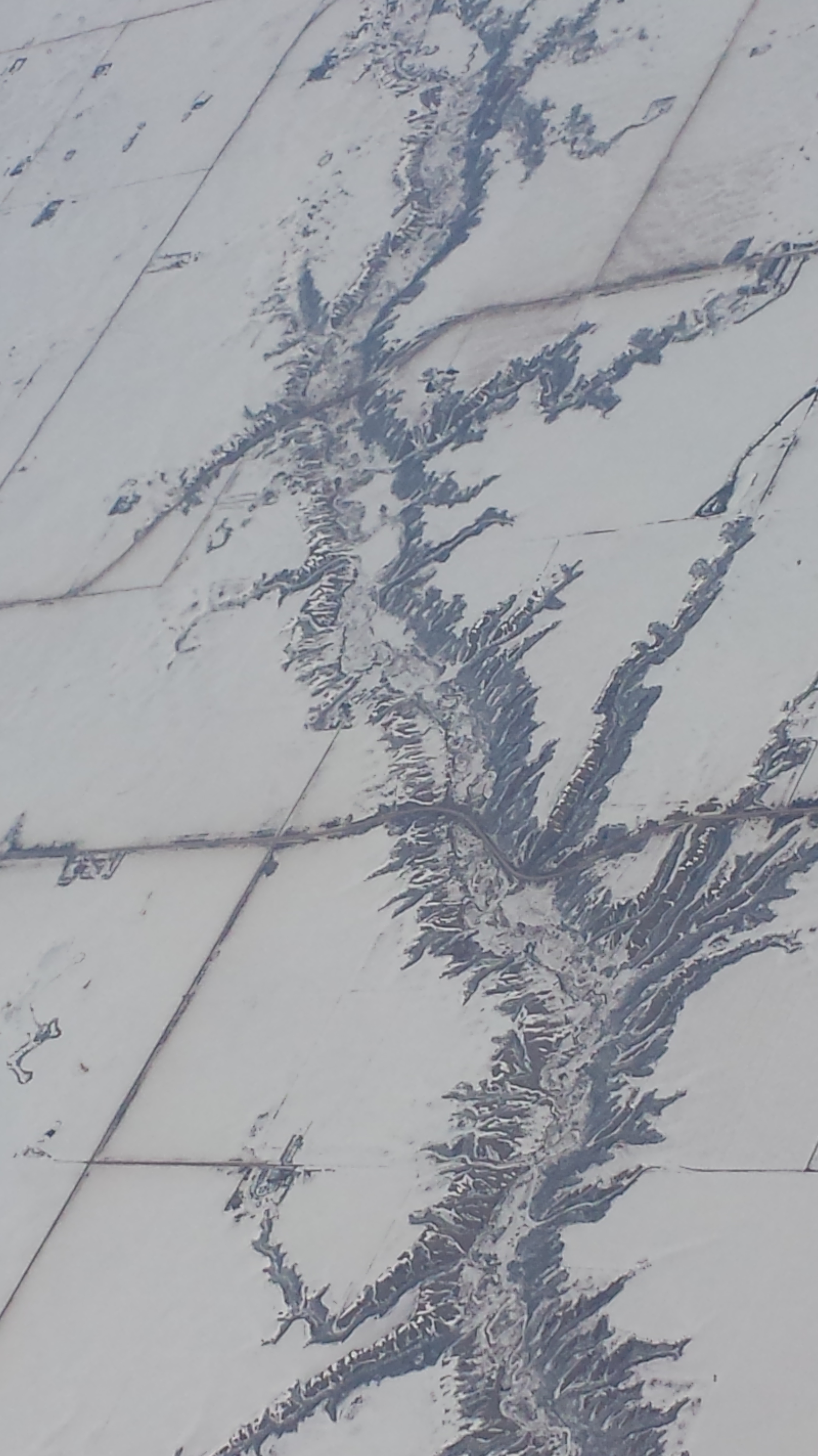
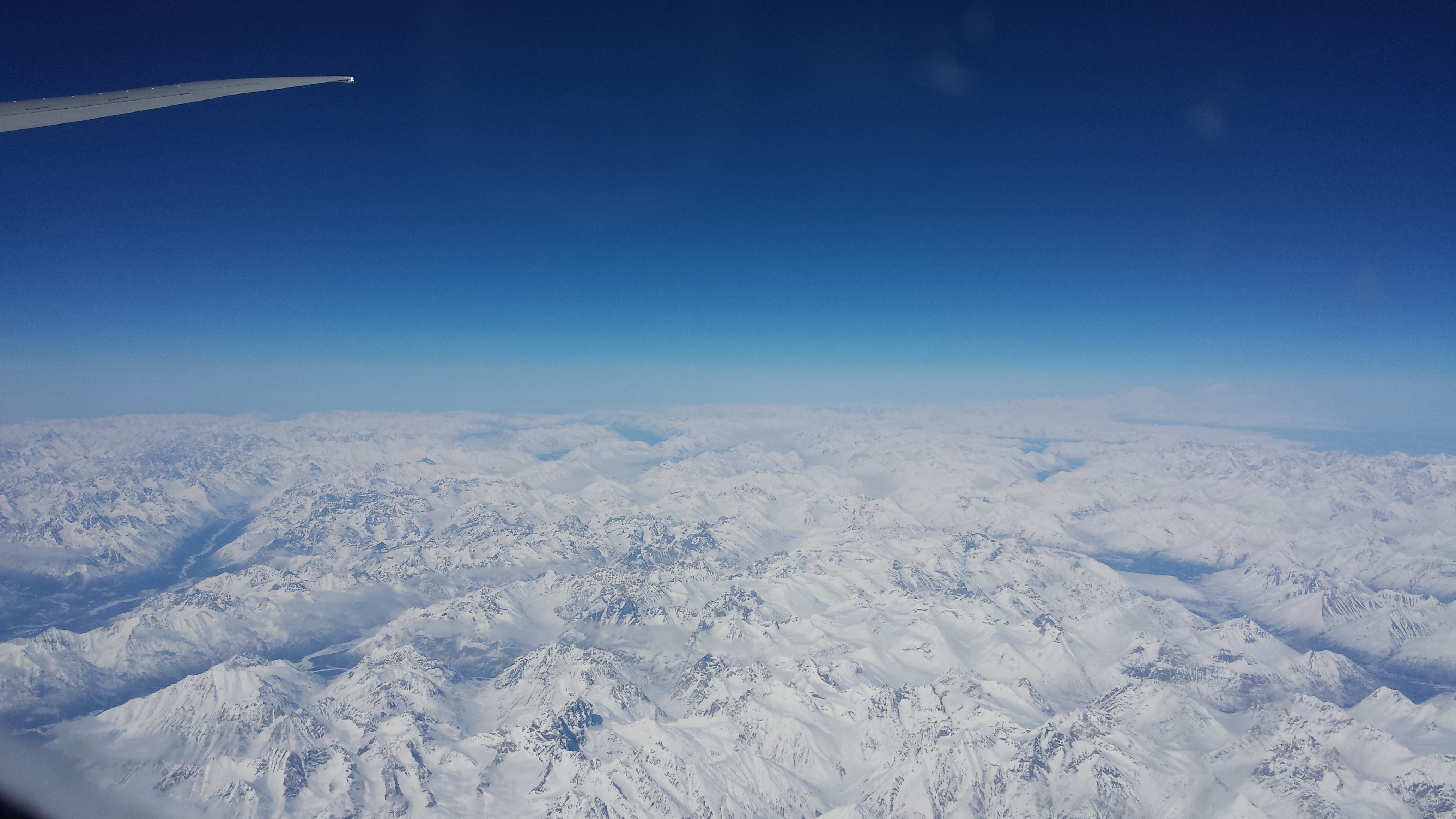
The first pictures were taken on the plane ride over. We flew over the frozen Midwestern US and Canada and over the Bering Strait, and the view was breathtaking:

2014-04-08 15.42.39

2014-04-08 15.53.39

2014-04-08 16.02.53

2014-04-08 19.37.02

And finally we were over Japan!

2014-04-09 02.02.07


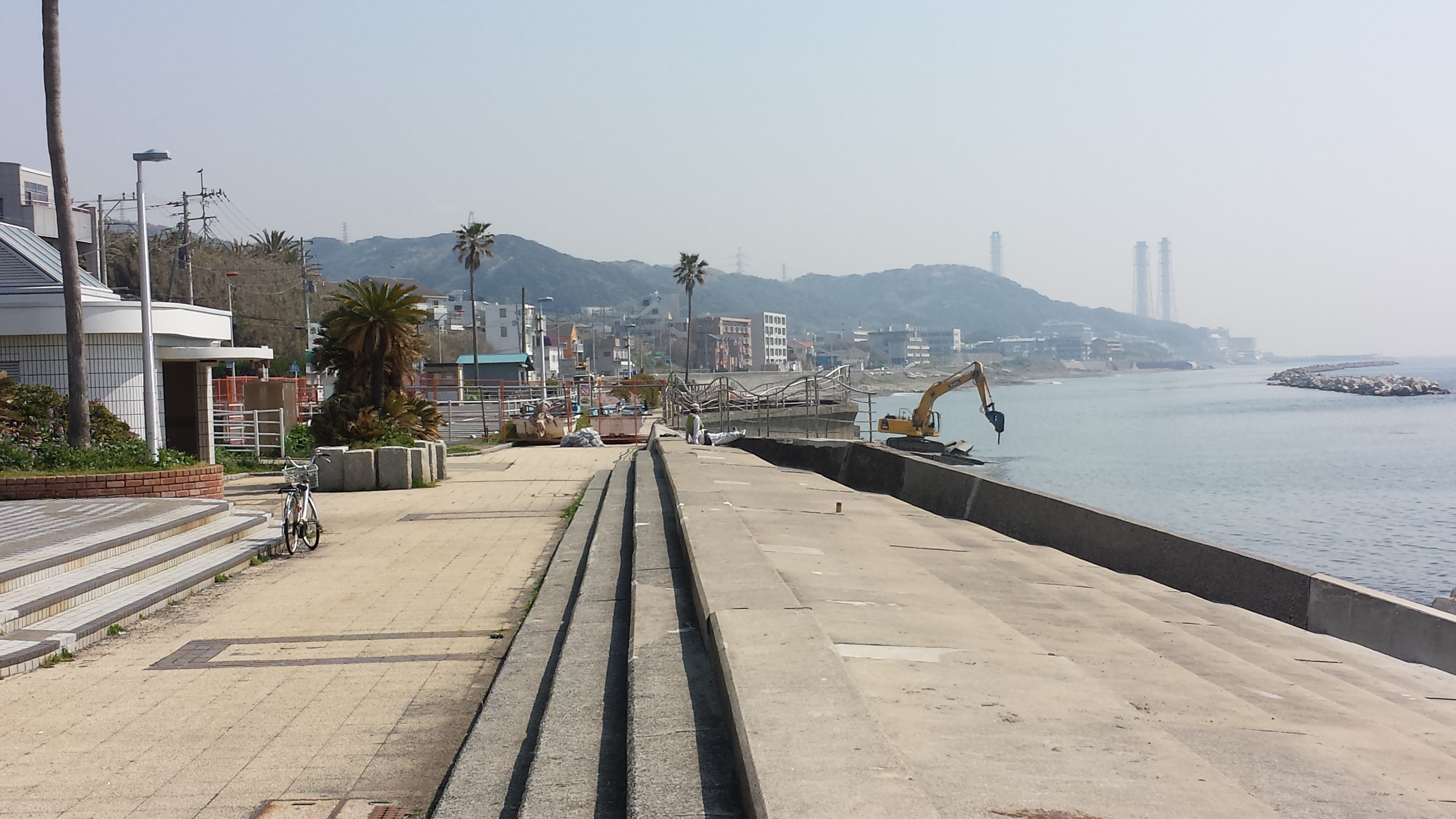
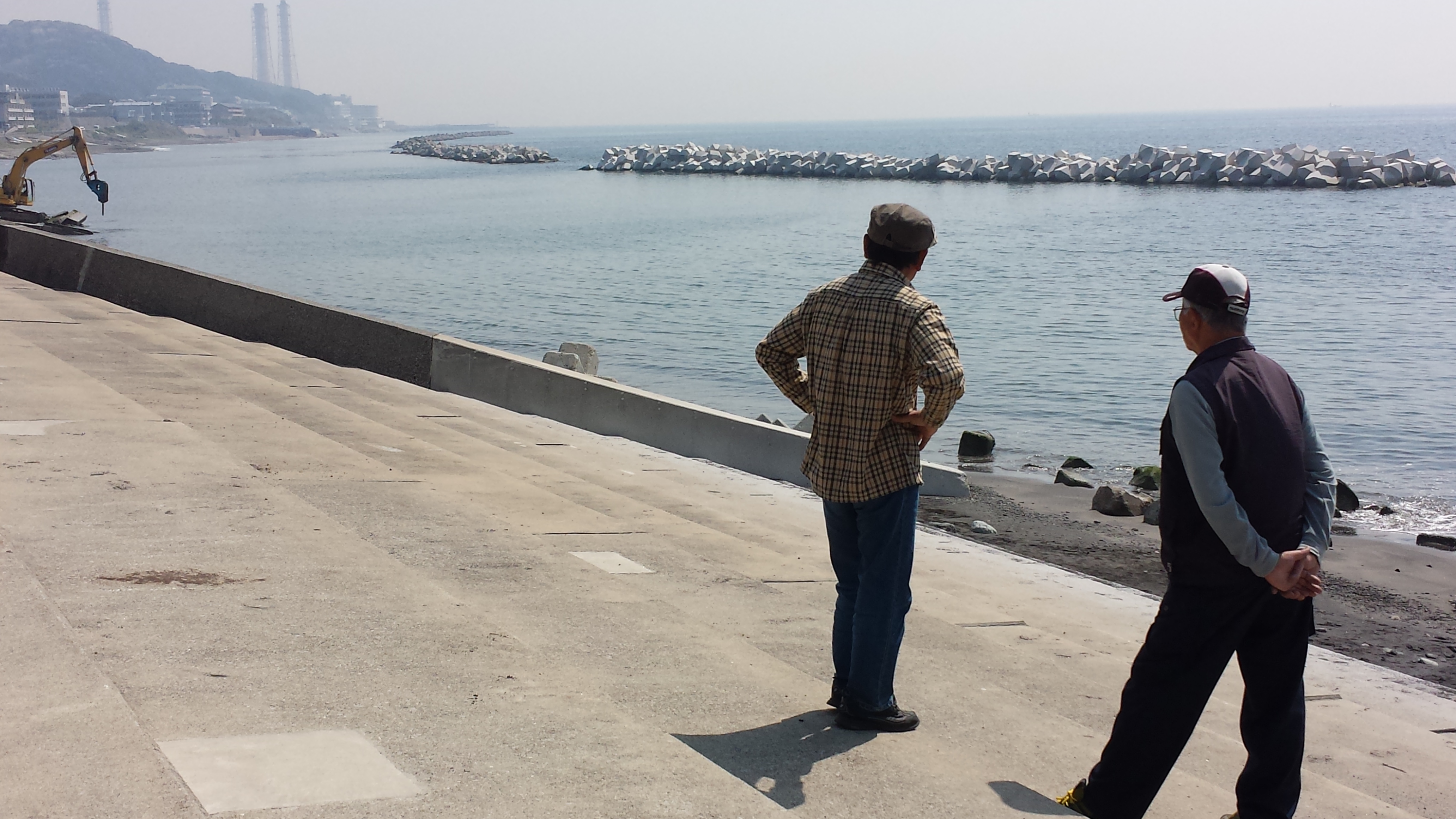
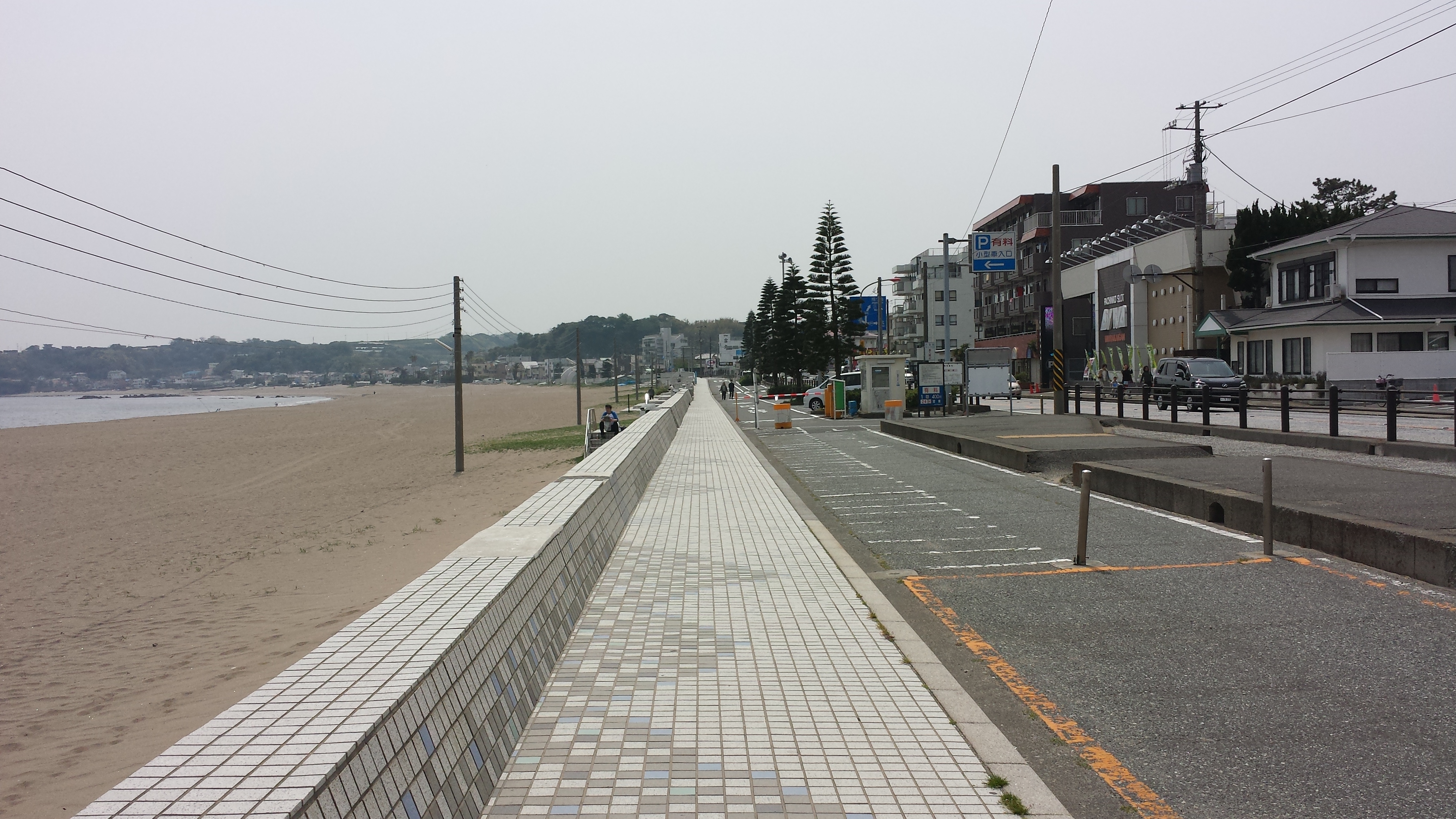
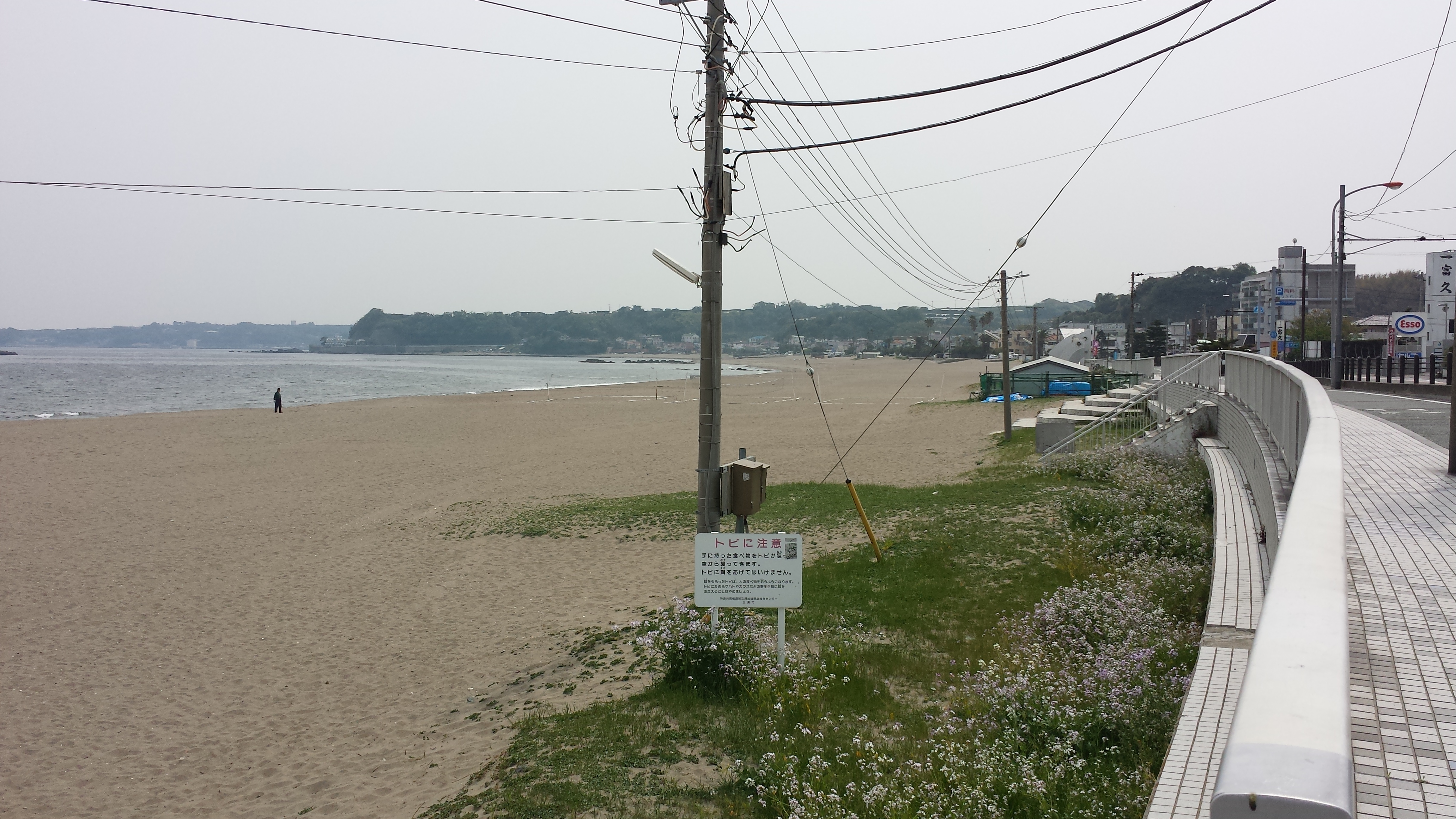
Our home base in Japan was a place called Nobi, which is in the Muira peninsula, west of Yokohama and Yokosuka but not all the way to Muirakaigan:

2014-04-10 10.59.02

2014-04-10 09.56.23

2014-04-10 09.56.16

We spent some time exploring the Muira Peninsula, which included Yokosuka, home of the Japanese and American naval bases:

2014-04-13 18.30.35

2014-04-17 10.37.39


and Yokohama, second largest city in Japan, home of a famously large Chinatown with a few nice temples inside:

2014-04-11 16.43.30

2014-04-11 16.26.14

2014-04-11 16.07.05

2014-04-11 13.15.58

as well as many natural wonders, including Muirakaigan beach and Jogachima island:

2014-04-16 12.19.23

2014-04-16 12.36.07

2014-04-16 12.48.16

2014-04-16 14.22.06

2014-04-16 14.22.16

2014-04-16 14.34.20

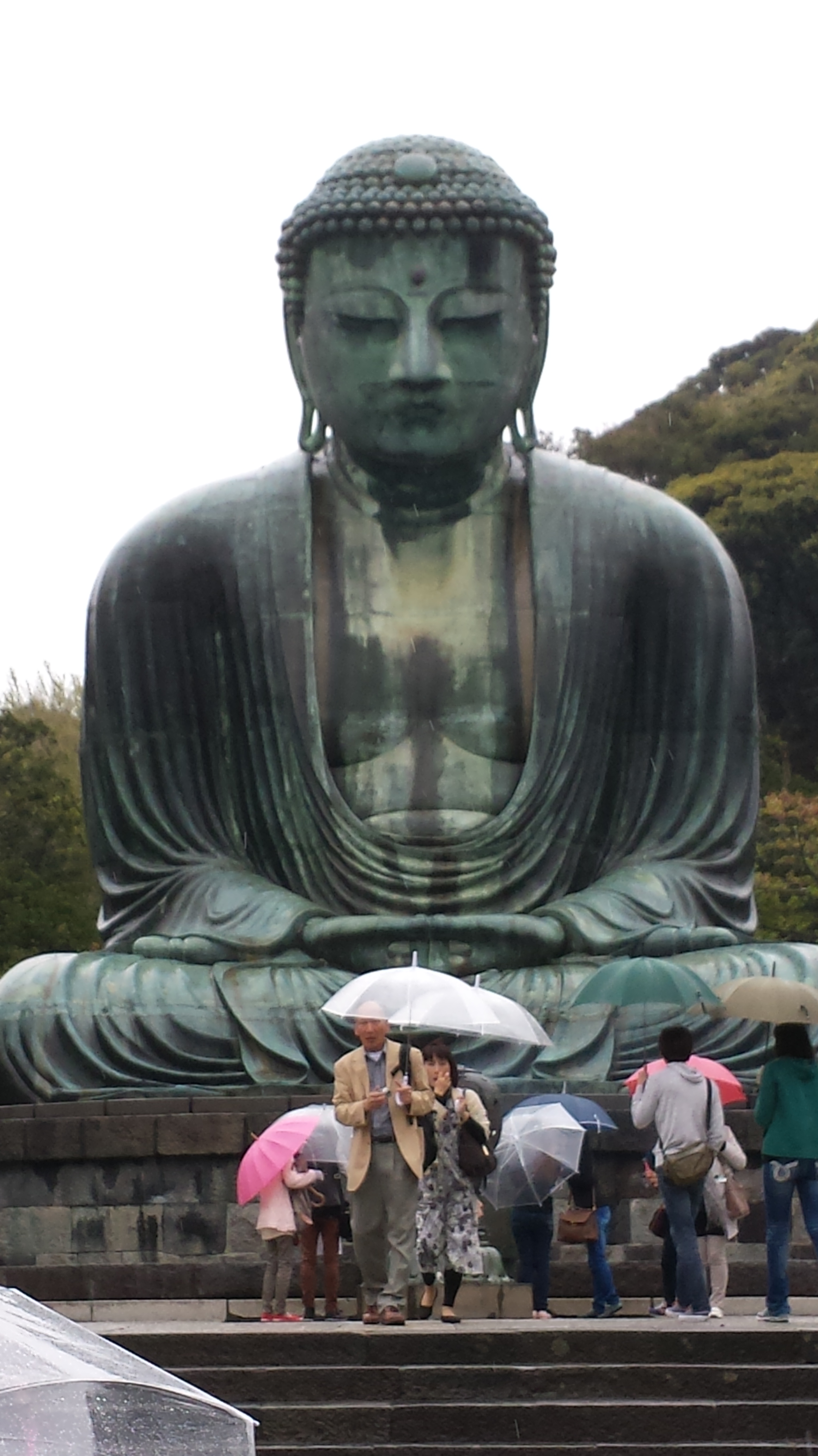
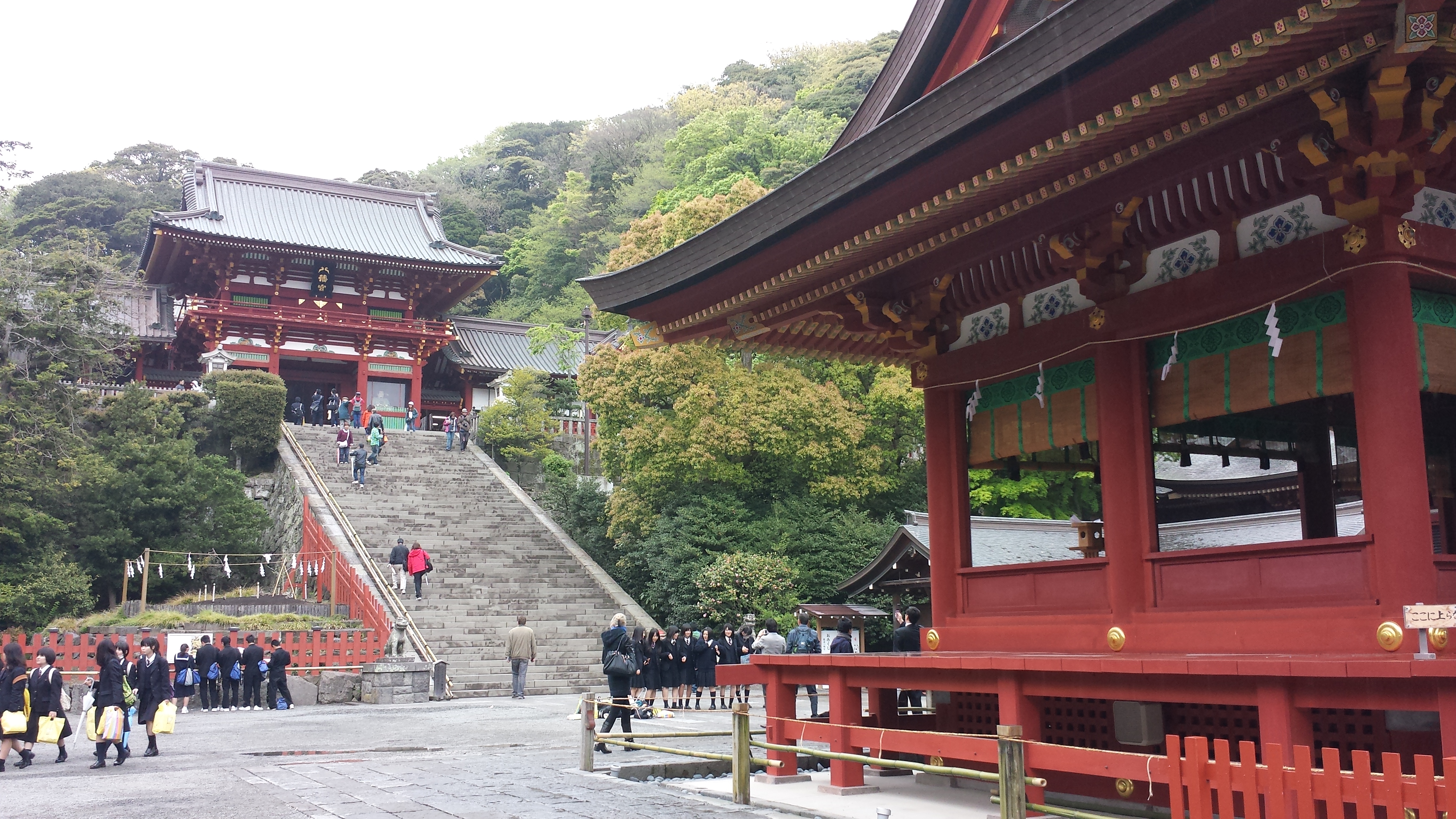
Kamakura is also on the Muira peninsula. Kamakura has many beautiful shrines, great shopping and food, and the third largest Buddha in Japan- which was hollow (we were able to step inside) .

2014-04-18 10.02.10

2014-04-18 10.09.44

2014-04-18 13.36.54

2014-04-18 13.44.20

2014-04-18 13.52.17

Tokyo is North of Muira and full of many kinds of wonders, from gardens, shrines and temples to buildings, nightlife and neighborhoods with very distinct characters. We explored many of the different areas of Tokyo:

2014-04-17 18.24.14

2014-04-17 18.21.51

2014-04-17 18.21.12

2014-04-17 18.11.06

2014-04-17 18.01.41

2014-04-17 15.40.48

2014-04-17 15.24.32

2014-04-15 16.32.11

2014-04-15 15.49.31

2014-04-15 15.46.02

2014-04-15 13.43.14

2014-04-15 13.05.13

2014-04-15 13.04.58

2014-04-15 12.31.54

2014-04-14 16.27.13

2014-04-14 15.37.06

2014-04-14 14.25.23

2014-04-14 14.12.45

2014-04-14 12.55.57

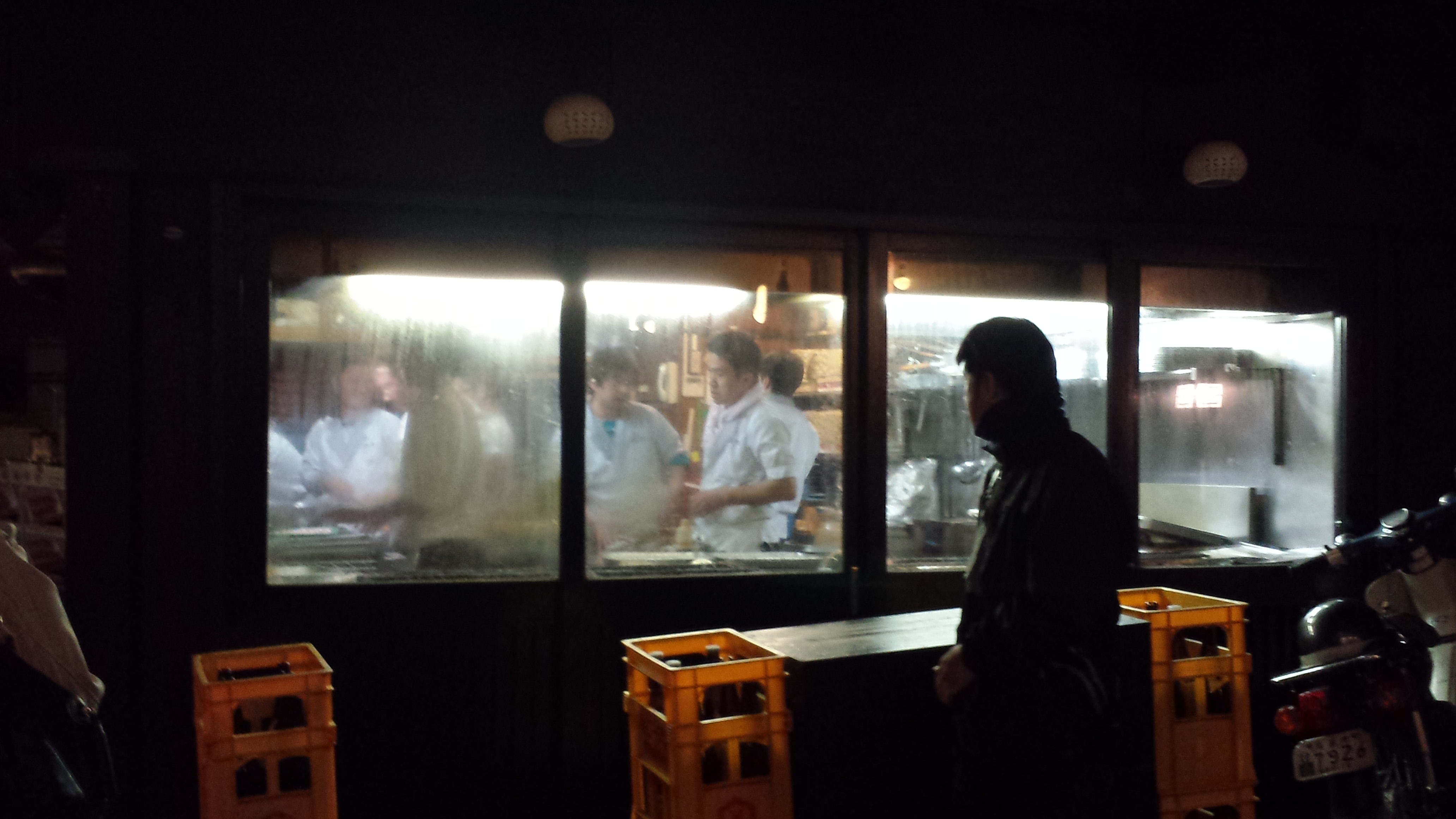
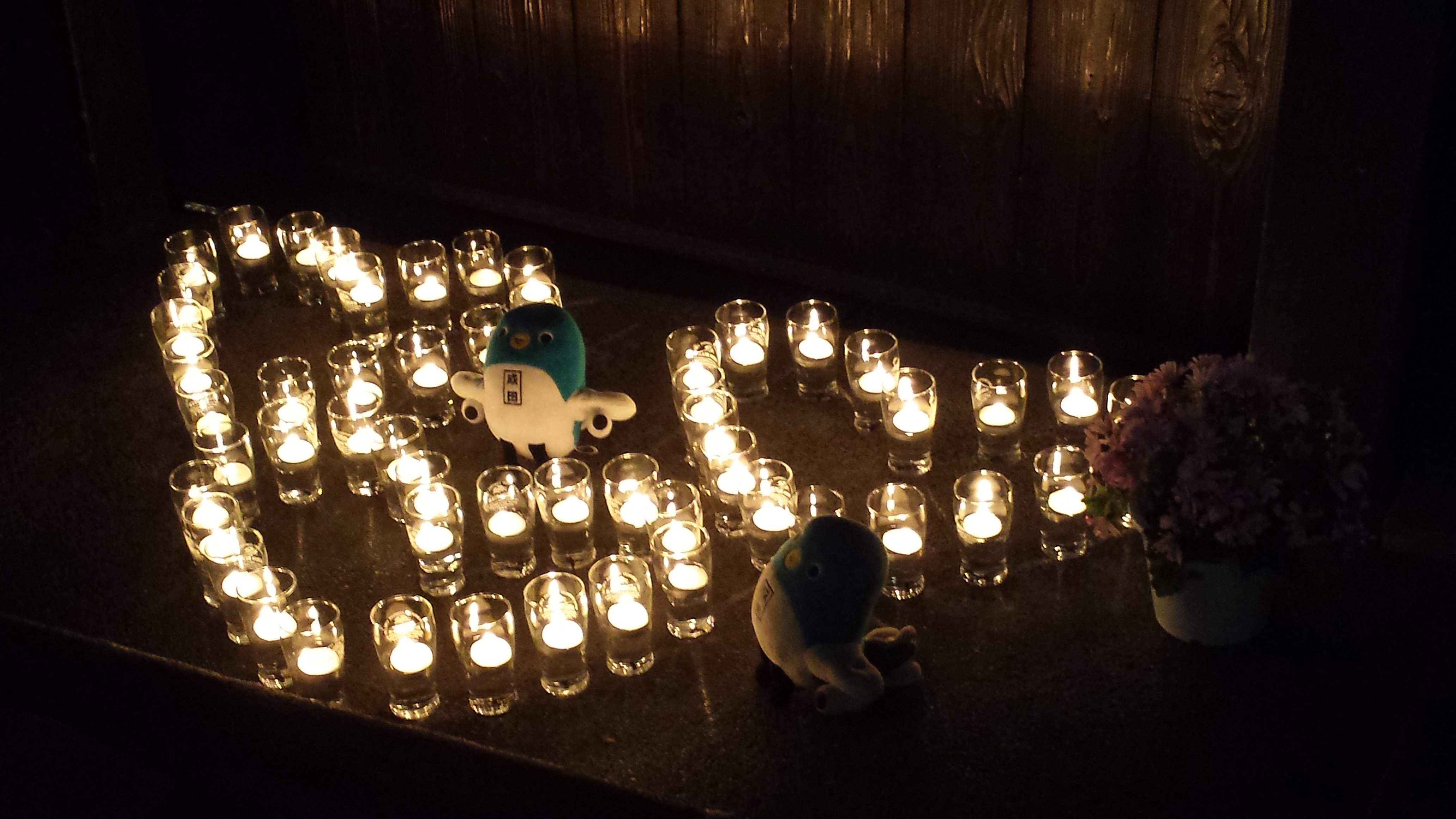
We also attended a drum festival in the town of Narita, which most people only know for the large international airport. This was a truly amazing experience! As we walked from the subway to the big temple we passed many shops, ate amazing street food and saw smaller drum performances. The main performance was on the steps of the big temple, and we were able to explore the grounds and gardens and return to see drumming by fire at sunset. Once the performance ended we followed the main road back to the city, but now it was dark outside, the shop lights were low, and the shopkeepers had set candles out to line the path.

2014-04-12 16.55.55

2014-04-12 17.13.17

2014-04-12 17.16.29

2014-04-12 17.42.31

2014-04-12 17.50.48

2014-04-12 18.17.00

2014-04-12 18.30.04

2014-04-12 18.58.11

2014-04-12 18.58.22

2014-04-12 18.58.36

Truly an amazing experience- thank you for sharing!


Professional Identity: Who am I? And who are you?

Last night I acted as a mentor at the annual Career Exploration Expo sponsored by my graduate program. Many of the students had questions about developing a professional identity. This makes sense, of course, because graduate school is an important time for discovering and developing a professional identity.

People enter our program (and many others) With a wide variety of backgrounds and interests. They choose from a variety of classes that fit their interests and goals. And then they try to map their experience onto job categories. But boxes are difficult to climb into and out of, and students soon discover that none of the boxes is a perfect fit.

I experienced this myself. I entered the program with an extensive and unquestioned background in survey research. Early in my college years (while I was studying and working in neuropsychology) I began to manage a clinical dataset in SPSS. Working with patients and patient files was very interesting, but to my surprise working with data using statistical software felt right to me much in the way that Ethiopian meals include injera and Japanese meals include rice (IC 2006 (1997) Ohnuki Tierney Emiko). I was actually teased by my friends about my love of data! This affinity served me well, and I enjoyed working with a variety of data sets while moving across fields and statistical programming languages.

But my graduate program blew my mind. I felt like I had spent my life underwater and then discovered the sky and continents. I discovered many new kinds of data and analytic strategies, all of which were challenging and rewarding. These discoveries inspired me to start this blog and have inspired me to attend a wide variety of events and read some very interesting work that I never would have discovered on my own. Hopefully followers of this blog have enjoyed this journey as much as I have!

As a recent graduate, I sometimes feel torn between worlds. I still work as a survey researcher, but I’m inspired by research methods that are beyond the scope of my regular work. Another recent graduate of our program who is involved in market research framed her strategy in a way that really resonated with me: “I give my customers what they want and something else, and they grow to appreciate the ‘something else.'” That sums up my current strategy. I do the survey management and analysis that is expected of me in a timely, high quality way. But I am also using my newly acquired knowledge to incorporate text analysis into our data cleaning process in order to streamline it, increasing both the speed and the quality of the process and making it better equipped to handle the data from future surveys. I do the traditional quantitative analyses, but I supplement them  with analyses of the open ended responses that use more flexible text analytic strategies. These analyses spark more quantitative analyses and make for much better (richer, more readable and more inspired) reports.

Our goal as professionals should be to find a professional identity that best capitalizes on  our unique knowledge, skills and abilities. There is only one professional identity that does all of that, and it is the one you have already chosen and continue to choose every day. We are faced with countless choices about what classes to take, what to read, what to attend, what to become involved in, and what to prioritize, and we make countless assessments about each. Was it worthwhile? Did I enjoy it? Would I do it again? Each of these choices constitutes your own unique professional self, a self which you are continually manufacturing. You are composed of your past, your present, and your future, and your future will undoubtedly be a continuation of your past and present. The best career coach you have is inside of you.

Now your professional identity is much more uniquely or narrowly focused that the generic titles and fields that you see in the professional marketplace. Keep in mind that each job listing that you see represents a set of needs that a particular organization has. Is this a set of needs that you are ready to fill? Is this a set of needs that you would like to fill? You are the only one who knows the answers to these questions.

Because it turns out that you are your best career coach, and you have been all along.

Encouraging things I tell myself

Long time, no blog…

Life is currently kicked into overdrive, and I’m switching between coasting and gunning. I know that many of you are also working particularly hard, between the end of the school year, upcoming conferences, taxes, … I’ve thought about using this blog to vent or to catalog my stress (this works better as a to-do list than engaging narrative), to pay tribute to my mom (who passed away May 5, 2012, after spending April living it up on a cruise with her sister), or to wax poetic about my current research project (I will share about the research soon, because I’m really excited about the work I will soon be able to do. But I’m not ready yet.). Instead, I’ve decided to share the encouraging things I tell myself…

Microfocus. This is the true key to a busy lifestyle. Focus on as few things as possible and work to make them happen. Then keep it moving. Thinking big=stress. Thinking small=achievable goals.

Let go of what you can. Put the things that can wait aside. Doing everything all the time is foolish and unnecessary.

Look beyond yourself. Putting all of the burdens on your own shoulders helps no one. It’s not about you. Think to the bigger goal and share your burden.

Know stillness. All of this activity requires some inactivity. Somethings are better for this than others. Throwing caution to the wind and going to sleep when you’re tired is far more effective than reaching for a drink. For me, sleep, nature, exercise and art are the biggest sources of peace. I’ve even started going to church!

Stop fighting. This one really hit me over the head this week. Momentum can lead you to crazy places, where you’re working too hard on too many fronts. But if you take a minute to look around, you may see that all of that frenzy is unnecessary. You’ve been working hard. You’ve put your projects in motion. They have momentum, and they don’t need so much pushing. Getting a degree takes years. You’ve already put in a few. The wheels are already in motion. Don’t push, just follow.

Learning is not supposed to be a done deal. I am about to finish my graduate program next month, and I feel anxious about it. I’m aware of so much that I still don’t know. I catch myself reading Blommaert and worrying that as much as I dig it, I wouldn’t read it on my own. But learning is and has always been a process and a passion. Curiosity drives you to learn. Let that curiosity and passion continue to drive you to grow. The world is bigger than you. You will learn what you need to when you need to, and you will ask for help from the right places when you need to do that.

Be a little emotional. It’s ok to feel happy when things are finished, proud of the hard work you’ve put in, and sad that your mom’s not here to see things come together. And it’s not helpful to worry about feeling anxious!

In a little over a month, many of the pieces I am juggling will come together, and I will have less hanging over me than I’ve had in years. But that point is quite a few deadlines away. For now, I am at bat, focusing on the ball, connecting, and! Next. For those of you who are stressed, I wish you pockets of peace. For those of you who are graduating, “job well done! way to go!” (<– and put a congratulations in your pocket, for when you’re ready to hear it). For those of you who are grieving, I wish you all the ups and downs that go along with it. And for those of you dealing with all of the administrative headaches that accompany loss, I wish you a pat on the back, a quiet beach, a gentle breeze, a margarita, a memory that makes you smile, and some space to cry and scream a little! As they say “this too shall pass.”

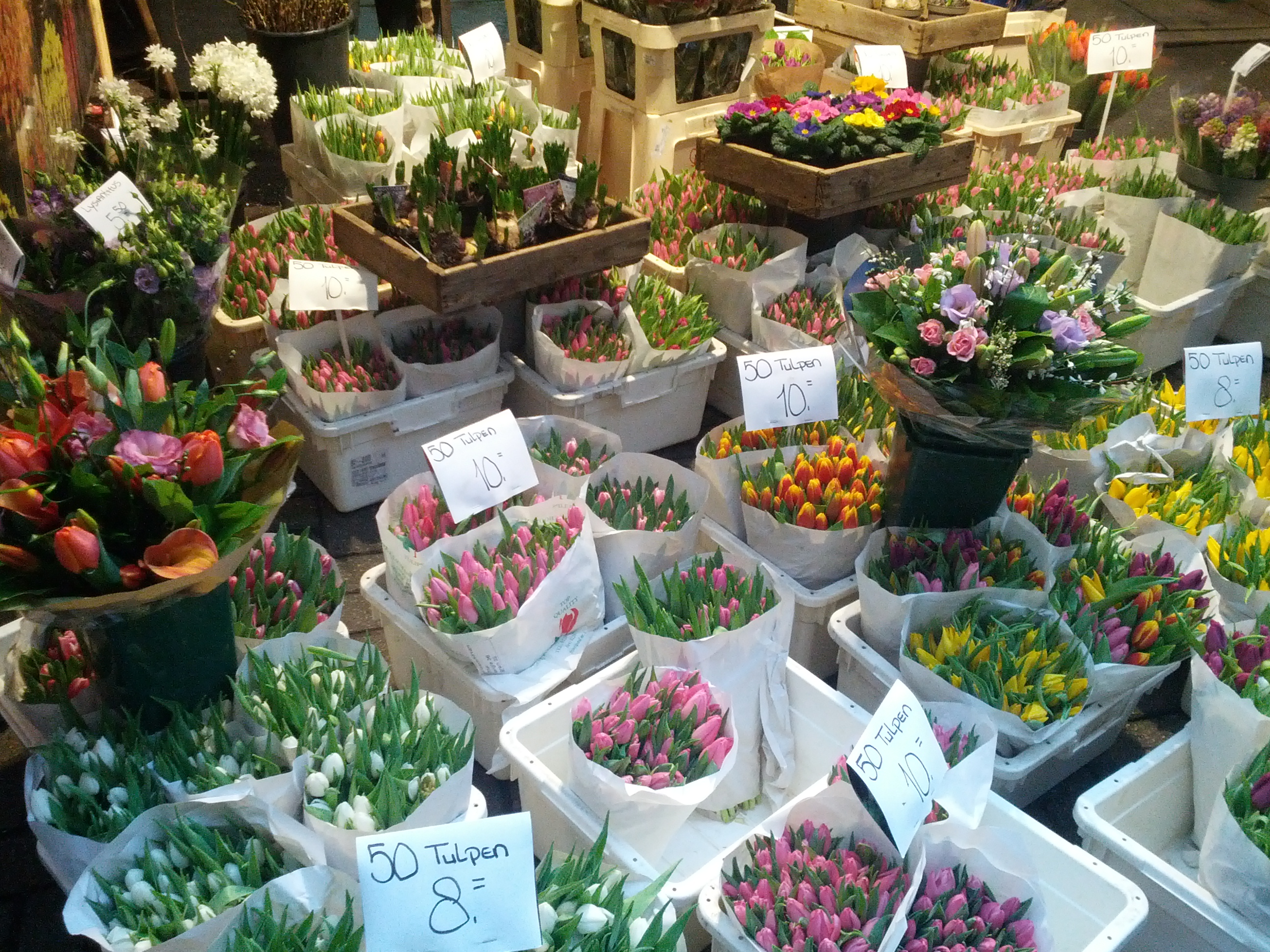
Time moves through the jungle, and we swing between vines, focusing on the flowers. I wish you all flowers.

Flower market in Amsterdam

Flower market in Amsterdam

Time for some Research Zen

As the new semester kicks into gear and work deadlines loom, I find myself ready for a moment of research zen.

2012-12-16 14.18.00

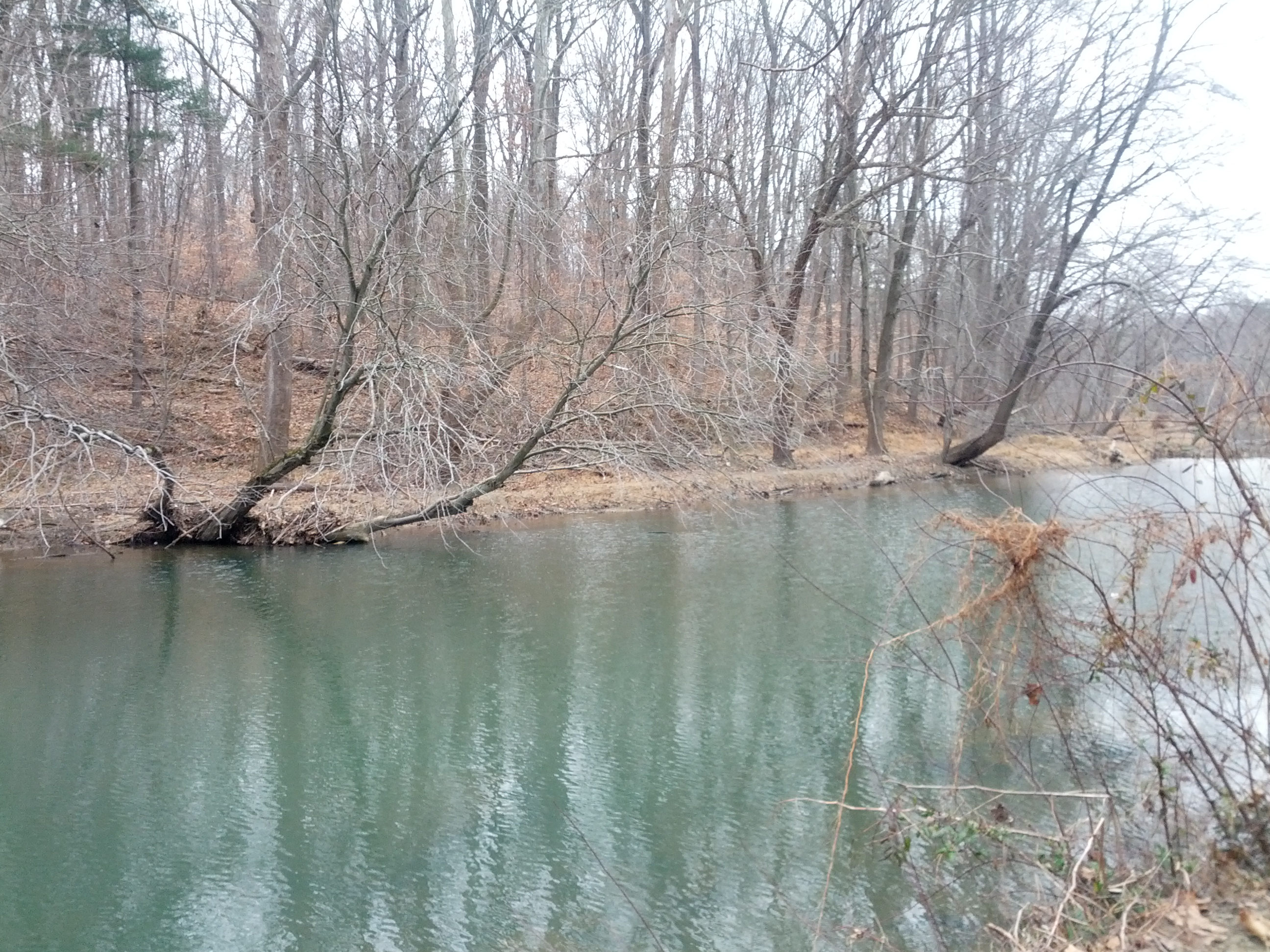
Let’s take a minute to stand in a stream and think about the water. Feel the flow of the water over your feet and by your calves. Feel the pull of constant motion. Feel yourself sink against the current, rooting deeper to keep steady. Breathe the clean outdoor air. Observe the clouds and watch the way the sky reflects in the water in the stream. The stream is not constant. The water passing now is not the water that passed when you started, and the water that passes when you leave will be still different. And yet we call this a stream.

As I observe sources of social media, thinking about sampling, I’m faced with some of the same questions that the stream gives rise to. Although I would define my sources consistently from day to day, their content shifts constantly. The stream is not constant, but rather constantly forming and reforming at my feet.

For a moment, I saw the tide of social media start to turn in favor of taxi drivers. In that moment, I felt both a strong sense of relief from the negativity and a need to revisit my research methods. Today I see that the stream has again turned against the drivers. I could ignore the momentary shift, or I could use this as a moment to again revisit the wisdom of sampling.

If I sample the river at a given point, what should I collect and what does it represent? How, when the water is constantly moving around me, can I represent what I observe within a sample? Could my sampling ever represent a single point in the stream, the stream as a whole, or streams in general? Or will it always be moments in the life of a stream?

In the words of Henry Miller, “The world is not to be put in order. The world is in order. It is for us to put ourselves in unison with this order.” In order to understand this stream, I need to understand what lies beneath it, what gives it its shape and flow, and how it works within its ecosystem.

The ecosystem of public opinion around the taxi system in DC is not one that can be understood purely online. When I see the reflection of clouds on the stream, I need to find the sky. When I see phrases repeated over and over, I need to understand where they come from and how they came to be repeated. In the words of Blaise Pascal “contradiction is not a sign of falsity, nor the lack of contradiction a sign of truth.” No elements in this ecosystem exist independent of context. Each element has its base.

Good research involves a good deal of reflection. It involves digging in against currents and close observation. It involves finding a moment of stillness in the flow of the stream.

Breathe in. Observe carefully. Breathe out. Repeat, continue, focus, research.

Memory is incomplete experience

Today’s quote on my zen calendar is perfect.

“Memory is incomplete experience.” J. Krishnamurti

This is a great reminder for researchers and for people in general, because we all forget and keep forgetting how incomplete our memories and the memories of people we come into contact are. How many survey questions could be better written with this advice? How much better is ethnography when we base our observations on repeated viewings, rather than trying to reconstruct a vague memory? How many arguments could be avoided, if we could just remember that memories are incomplete?

I sometimes participate in a video discussion group. I am amazed that each viewing of a short segment of video brings a different set of interpretations, and I am amazed that the other participants continually notice different aspects of the video. This experience really drives the point home about how little we see in our everyday lives. We are so inundated with information that we simply couldn’t, and wouldn’t want to, process it all.

Research is the process of recovering and reconstructing. Of observing carefully. Of noticing things that we would never or could never have accessed through normal observation and we absolutely could never access through our memories. Being a researcher does not make us any more able to analyze that which we experience in a single pass- we’re still human. Being a researcher simply means that we have the capacity to observe and investigate things more closely.